




How Chiropractic Supports Spinal Health and Long-Term Function
Many people can identify a point when their body no longer feels as resilient as it once did. Sometimes that change follows an injury or a sudden episode of pain. More often, it happens gradually. Stiffness lingers longer than expected. Certain movements are avoided. Activities that once felt effortless begin to require more attention.
For many, these changes coincide with shifts in daily routines. Time once set aside for movement or recovery is replaced by work demands, family responsibilities, and full schedules. Movement still matters, but it becomes less intentional. Discomfort is managed around rather than addressed, especially when symptoms fluctuate.
Chiropractic care offers an opportunity to step in earlier. By evaluating how the spine is moving and where restrictions may be developing, care can support long-term spinal health before limitations become more disruptive or harder to resolve.


The Long-Term Cost of Ignoring Spinal Discomfort
Spinal discomfort is often treated as something to tolerate rather than address. When pain comes and goes, it is easy to adjust posture, modify activities, or rely on short-term solutions. These adaptations may feel manageable at first.
Over time, however, restricted spinal movement can affect the body’s overall function. Muscles may work harder to compensate. Joints may absorb stress unevenly. Balance, coordination, and overall movement efficiency can gradually decline.
When spinal concerns are left unaddressed, they may contribute to:
- Reduced mobility and flexibility
- Increased muscle tension and joint stiffness
- Recurring headaches or neck and back discomfort
- Greater reliance on medication for symptom relief
- Longer and more involved care when treatment is eventually sought
In many cases, waiting does not eliminate the issue. It simply shifts the cost to a later point, when symptoms may be more persistent and care may require more time and disruption.


What Preventive Chiropractic Care Addresses
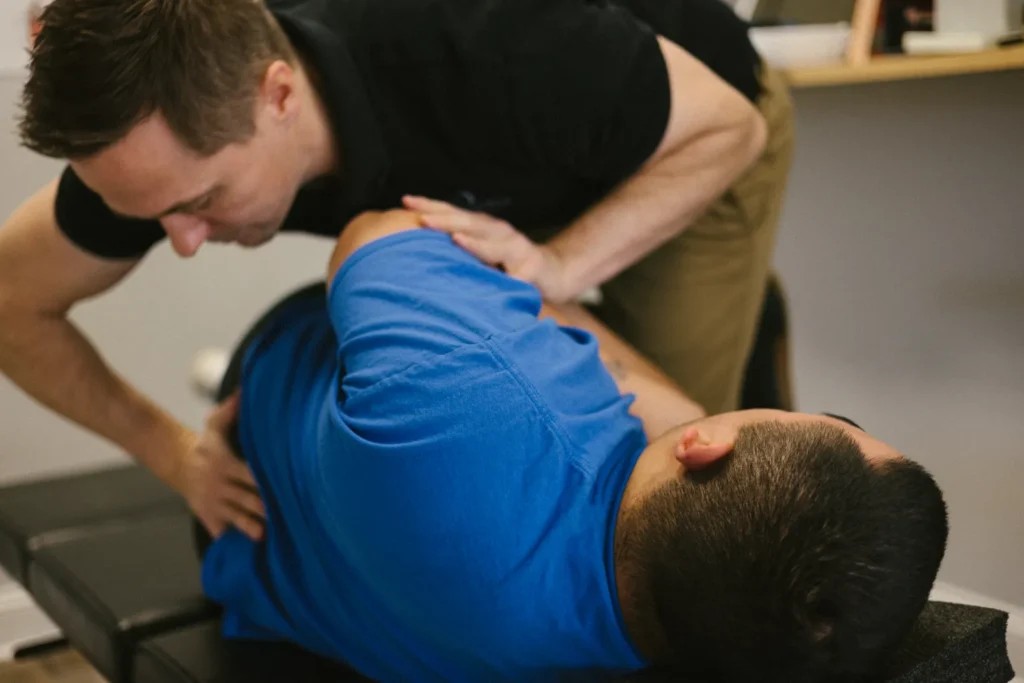
Chiropractic care is not limited to responding to pain when it becomes severe. At MCR Chiropractic, care focuses on identifying spinal movement restrictions and addressing them before they interfere with daily function.
Chiropractors assess spinal mobility, posture, joint movement, and the body’s response to everyday demands. Rather than focusing only on where discomfort is felt, the goal is to understand why it may be occurring and how spinal movement can be improved.
Supporting spinal mobility early can help patients move more comfortably, maintain better posture, and feel more confident in daily activities.
Chiropractic as Preventive Healthcare
Preventive care is often associated with screenings or routine medical visits. Spinal health deserves the same proactive attention.
Preventive chiropractic care may help:
- Maintain healthy spinal movement and alignment
- Reduce strain on muscles and joints
- Support posture and balance
- Decrease the frequency of recurring discomfort
- Promote more efficient, comfortable movement
By addressing spinal restrictions early, chiropractic care supports long-term function rather than waiting until pain becomes limiting.

Why This Matters Now
Modern schedules place increasing demands on the body while leaving less time for recovery. Long periods of sitting, screen use, and repetitive movement patterns are common. When spinal discomfort begins to surface, it is often postponed in favor of other responsibilities.
The challenge is that spinal health does not pause when time is limited. When care is delayed, symptoms may require more visits and greater disruption later on.
Preventive chiropractic care is designed to respect both health and time by addressing concerns early, when care can often be more focused and efficient.
Make Today the First Step Toward Better Health
Spinal health plays a central role in how we move, work, and live each day. Addressing movement restrictions early and proactively can help preserve mobility, reduce discomfort, and support long-term well-being.
Chiropractic care offers a conservative, hands-on approach to maintaining spinal function and supporting overall health over time.
If you are noticing changes in how your body moves or feels, a chiropractic evaluation at MCR Chiropractic can help identify contributing factors and support your long-term spinal health. Request your appointment at MCR Chiropractic today!



Stretching for Spinal Health and Everyday Movement
Stiff muscles and joints are more than just uncomfortable. Over time, limited flexibility can influence how the spine moves, how joints absorb daily demands, and how resilient the body feels overall. Stretching is not only something to do before or after activity. It is a simple, accessible way to support long-term spinal and movement health.
As daylight gradually extends and activity levels begin to shift after winter, maintaining flexibility can help the body adapt more comfortably to changing routines. Gentle, consistent stretching supports joint motion and helps prepare the body for increased movement without placing unnecessary strain on the spine.
What Stretching Really Supports
At MCR Chiropractic, stretching is often encouraged as part of a proactive approach to spinal health because it supports several important aspects of movement and function:
Eases muscle tension and stiffness
Tight muscles can restrict joint movement and place added stress on the spine. Stretching helps muscles relax and move more efficiently.
Supports healthy joint motion
When joints move more freely, everyday activities such as bending, reaching, and turning often feel smoother and more comfortable.
Promotes posture and alignment
Stretching helps counteract prolonged sitting, repetitive movements, and sustained positions that can gradually affect spinal alignment.

May reduce the risk of minor strains
Muscles and joints that move well are better able to share load, reducing excessive stress on any one area of the body.
Encourages circulation and tissue health
Gentle stretching promotes blood flow to muscles and surrounding tissues, supporting recovery and overall spinal health.
How Stretching Supports Long-Term Movement Health
Stretching may feel simple, but its benefits extend into how the body functions throughout the day. Improved flexibility can support smoother movement, better balance, and greater comfort during daily tasks. Over time, these small gains can help reduce the buildup of stiffness that often leads people to move less or compensate in ways that strain the spine.
💡 A Practical Tip
Consistency matters more than intensity. A brief stretching routine performed regularly—whether in the morning, after activity, or as part of a daily wind-down—can help keep stiffness from becoming a barrier to comfortable movement.
Need a guiding hand to get you started? Contact your favorite MCR location to schedule an appointment!


Supporting Neck and Upper Back Mobility
Mobility in the neck and upper back plays a quiet but essential role in how we move throughout the day. These regions support posture, head movement, and arm use, and they absorb much of the strain created by prolonged sitting, screen time, and repetitive tasks. When mobility is limited, stiffness or tension can build gradually, often influencing comfort, range of motion, and overall movement efficiency.
Because these changes tend to develop slowly, they are easy to overlook. Many people adapt by moving less through the neck and upper back or relying on other areas of the body to compensate. Over time, this can contribute to altered posture, increased muscle fatigue, or discomfort that extends beyond the neck itself. Addressing mobility and strength in these areas can help support better movement patterns and reduce unnecessary strain.
This month’s Exercises of the Month focus on improving neck and upper back mobility through controlled, purposeful movement. These exercises are designed to be accessible, practical, and supportive of long-term movement health when performed consistently and with proper guidance.

Featured Physical Therapist: Brittany Little, PT, DPT, CSCS
This month’s exercises were provided by Brittany, the clinic manager and a physical therapist at our Bay State PT – Halifax clinic. Brittany completed her clinical training in outpatient orthopedics, long-term acute care, and sports medicine, and has a strong interest in injury prevention, thoracic outlet management, concussion management, and functional movement.
Brittany stays current on the latest research and evidence-based methods, bringing thoughtful, up-to-date clinical insight into every care plan she prescribes. Her training as a Certified Strength and Conditioning Specialist uniquely equips her to help patients build not only mobility, but also strength and control in the neck and upper back — areas that are critical for comfort and daily function.
Recommended Exercises
Below are the recommended exercises to support mobility and strength in key muscle groups used throughout the day.



CHIN TUCKS
- Sit or stand with your back straight
- While looking straight ahead, slowly draw your head backward using the muscles in the front of your neck to initiate the movement
- Continue this movement until your ears are aligned over your shoulders, always keeping your head level with the floor
- Avoid tilting your head upward or downward while pulling backward
- Hold for 5 seconds
- Repeat for 2-3 sets of 10 repetitions


SCAPULAR RETRACTION
- Sit in a chair with your back straight and your arms resting at your side
- Slowly draw your shoulder blades together and downward (imagine you’re holding a pencil between your shoulder blades)
- Hold for 5 seconds, then return to the starting position
- Repeat for 2-3 sets of 10 repetitions

CERVICAL ISOMETRICS (SIDE BEND)
- Gently place your hand on one side of your head near your temples
- Keeping your head in a neutral position and looking forward, apply gentle pressure through your palm using your arm muscles
- You’re attempting to push your head to the opposite side – resist this motion using your neck muscles while keeping your head in a stable position
- Hold for 5 seconds, then repeat in opposite direction
- Repeat for 2-3 sets of 10 repetitions

CERVICAL ISOMETRICS (EXTENSION)
- Gently place your hand on the back of your head
- Keeping your head in a neutral position and looking forward, apply gentle pressure through your palm using your arm muscles
- You’re attempting to push your head backward – resist this motion using your neck muscles, while keeping your head in a stable position
- Hold for 5 seconds
- Repeat for 2-3 sets of 10 repetitions

UPPER TRAPEZIUS STRETCH
- Stand with your head in a neutral, relaxed position
- Gently place your right hand on top of your head
- Allow your right ear to move toward your right shoulder, feeling a gentle stretch on the left side of your neck
- Allow the weight of your hand to aid in the stretch, but don’t force it beyond a comfortable, light stretch
- Keep your shoulders level while you stretch
- Hold for 30 seconds then slowly return to a starting position
- Repeat 3 times before switching to stretch opposite side
Need Help Getting Started?
If you would like guidance with these exercises or have concerns about pain or mobility, our team is here to help. Schedule an appointment at your nearest clinic to learn how chiropractic care can help you move comfortably and confidently.


Nutrition and Chiropractic: Powering Better Health
Chiropractic care is most effective when it supports the body before discomfort becomes limiting. While spinal adjustments address how joints move and align, nutrition plays a complementary role in how well the body adapts, recovers, and maintains balance over time. The tissues that support the spine — muscles, ligaments, joints, and nerves — rely on consistent nourishment to function efficiently and tolerate daily demands.
When nutritional needs are overlooked, the body may be slower to recover from physical stress, more prone to muscle tension, or less resilient during periods of increased activity. These changes often develop gradually and may not feel urgent at first, but over time they can influence posture, movement quality, and how the spine responds to everyday strain. Supporting the body nutritionally is one way to help reduce the accumulation of small stresses that contribute to discomfort later on.
At MCR Chiropractic, nutritional guidance is viewed as part of preventive care. Rather than focusing on rigid diets or short-term fixes, the goal is to help patients make practical, sustainable choices that support spinal health and overall function. When the body is properly fueled, chiropractic care can be more effective, and movement often feels easier and more controlled.
Nutrition also plays a role in how the nervous system and muscles respond between visits. Adequate protein supports muscle repair and balance, carbohydrates provide energy for daily activity, and hydration helps maintain joint mobility and tissue health. Over time, these factors can influence how well the spine tolerates repetitive movement, prolonged sitting, and physical stress. Addressing nutrition early helps support long-term function rather than reacting only after symptoms become persistent.
Foods That Support Preventive Spinal and Movement Health
Incorporating a variety of nutrient-dense foods can help support the body’s ability to maintain balance, recover efficiently, and adapt to daily movement demands:
Lean proteins (chicken, fish, eggs, Greek yogurt, beans)
Support muscle repair and help maintain strength that stabilizes the spine.
Leafy greens (spinach, kale, Swiss chard)
Provide essential vitamins and minerals that support muscle and joint function.
Fruits rich in antioxidants (berries, oranges, cherries)
Help the body manage inflammation associated with physical stress.

Healthy fats (avocados, nuts, seeds, olive oil, fatty fish)
Support joint health and help regulate inflammatory processes.
Whole grains (oats, brown rice, quinoa)
Provide steady energy to support posture, movement, and daily activity.
Water
Essential for joint lubrication, circulation, and overall tissue health.
These foods support the body’s ability to respond to care and movement demands over time. When combined with chiropractic care, they reinforce a preventive approach that prioritizes maintaining function, mobility, and comfort — not just managing symptoms as they arise.

Bringing It All Together
Supporting spinal health is not about waiting until discomfort interferes with daily life. Small, intentional choices — how you move, how you recover, and how you nourish your body — all play a role in how well your spine functions over time. Chiropractic care offers an opportunity to address movement restrictions early, support balance in the body, and maintain mobility as routines and demands change.
At MCR Chiropractic, care is centered on helping patients understand their bodies and take a proactive approach to long-term health. Whether you are managing recurring stiffness, noticing changes in posture or movement, or simply want to stay ahead of future concerns, chiropractic care can be part of a broader strategy to support how you feel and function every day.
If you would like to learn more about how chiropractic care, movement guidance, and lifestyle support can work together to support your health, we encourage you to contact your chiropractor at MCR Chiropractic. A conversation today can help you understand your options and take the next step toward maintaining spinal health and overall well-being.