




Why Spinal Alignment Matters and How Chiropractic Can Help
Your spine does much more than support your body. It influences how you move, adapt, and function through the physical demands of daily life.
When spinal joints are not moving well, or when posture, muscle tension, and movement patterns begin placing added stress on the body, discomfort, stiffness, and changes in mobility can sometimes follow.
Often, these changes happen gradually. A little more neck tension. More stiffness after sitting. Headaches that seem to show up more often.
Small signals can be worth paying attention to. And that is where chiropractic can help.
Alignment Supports More Than Many People Realize
Spinal health can influence much more than comfort alone. Chiropractic may help support:
- Mobility and joint function
- Postural balance
- Muscle tension
- Everyday comfort
- Confidence staying active
When your body moves well, it often handles life’s demands better. That is one reason many people view chiropractic care not only as a response to discomfort, but as part of supporting long-term well-being.

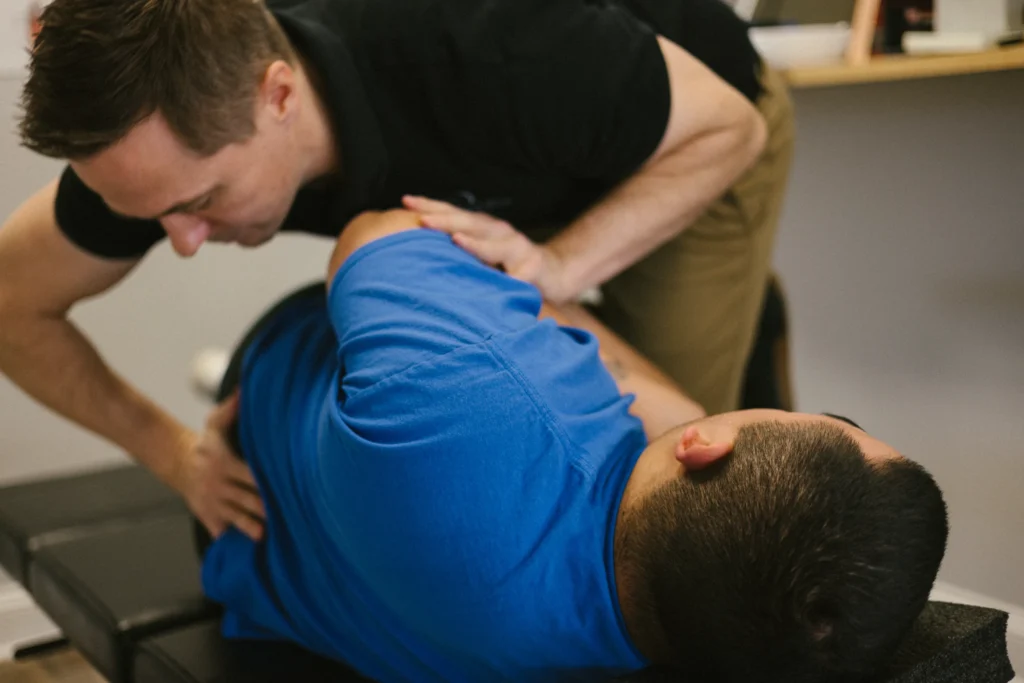
How Chiropractic Adjustments Can Help
Chiropractic adjustments use precise, individualized techniques designed to help improve joint motion, reduce restrictions, and support better movement.
Care is personalized to the individual, their needs, and their goals. The goal is not simply to address symptoms. It is to help support how you move and function.
When It May Be Time to Check In
Sometimes the signs are subtle.
Perhaps tension and stiffness are becoming part of your routine. Maybe the small aches are beginning to affect activity. Or stress may feel like it is showing up physically in posture, muscle tension, or movement patterns.
Early attention may help address small issues before they become bigger interruptions.


Understanding the 3 Phases of Chiropractic Care
Chiropractic care is often best understood as a process.
- Phase 1: Relief Care: Focused on improving comfort and calming irritation.
- Phase 2: Corrective Care: Focused on improving function and addressing contributing factors affecting movement and alignment.
- Phase 3: Wellness Care: Focused on helping maintain progress and support long-term well-being.
Each phase can play a role in supporting meaningful, lasting improvement.
What to Expect at Your First Visit
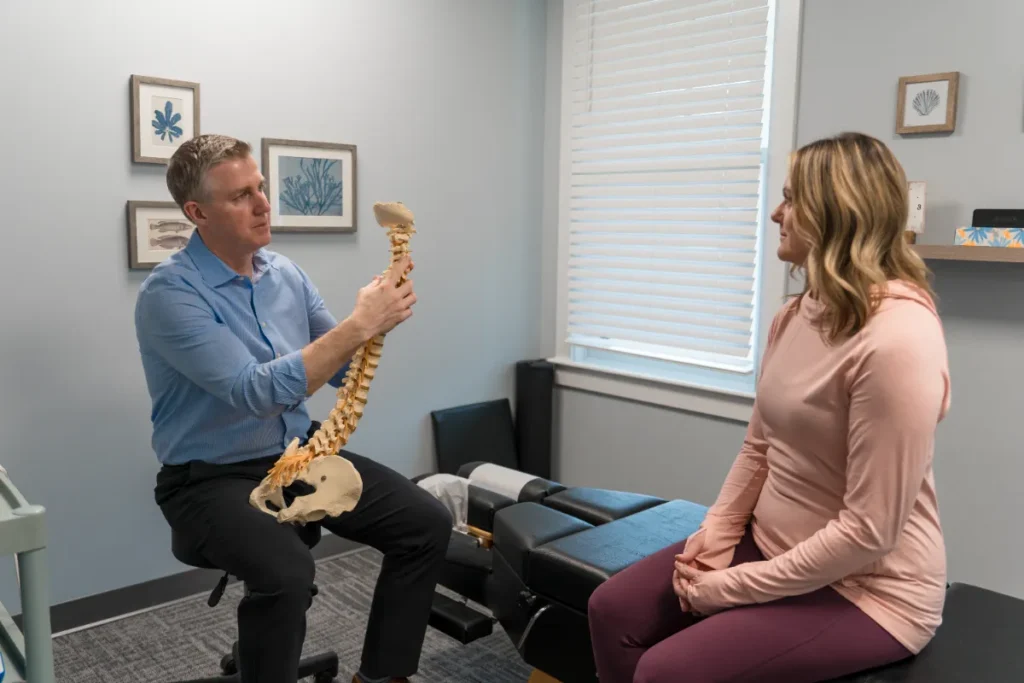
Your first visit is focused on understanding you. Your chiropractor will discuss your concerns, assess movement and spinal function, and help determine whether chiropractic care may be appropriate for your needs.
At MCR, your care will always be individualized, thoughtful, and designed around your comfort.

Chiropractic Is Not Just for Back Pain
Many people first seek chiropractic care because something hurts. Others continue because they value how care helps support how they move and feel.
Whatever your age or activity level, the goal is the same: To help you move more comfortably and live more fully.
Ready to Align Your Health With Chiropractic?
Alignment is not about perfection. It is about supporting a body that can adapt, recover, and help you keep doing what you love.
Regain and Maintain Optimal Health & Well-being.
Schedule your appointment evaluation today.


Get a Grip on Your Elbow Pain
Whether you’re an ace on the court or you’ve never picked up a racquet in your life, your elbow pain may be lateral epicondylitis (aka, tennis elbow).
What is Lateral Epicondylitis?
Tennis elbow is a painful overuse condition of the muscles that allow your wrist and elbow to extend. These muscles attach to the outside (lateral) portion of your elbow on the rounded, bony prominence (epicondyles). These muscles control movement at the wrist and elbow and are also involved in gripping activities and rotational movements of the forearm.

How Tennis Elbow Develops
Tennis elbow is a form of tendinitis, a medical term to describe inflammation or irritation of a tendon. Tendons are connective tissues that attach muscle to bone. When tendons are used repeatedly in the same motion, they become inflamed and painful at the point where they attach to the bone. Tendinitis can occur at any tendon/bone connection in the body, with some of the most common areas of tendinitis occurring at the knee, hip, shoulder, and elbow.
Tennis elbow can be caused by recreational activities, such as tennis or gardening, or from occupations with repetitive motions, such as painting, automotive mechanics, or assembly line work.
What Does It Feel Like?
The pain often feels sharp and burning near the elbow and can radiate down into your forearm and wrist. With severe tennis elbow, symptoms can make it difficult to hold objects, even those as light as a cup of water!
Other symptoms can include:
- Stiffness in the elbow, especially when straightening the arm
- Weakness in the forearm, wrist, or hand
- Pain when twisting or bending your arm (for instance, turning a doorknob or opening a jar)
- Swelling of the elbow that can be tender to touch
How Chiropractic Care Can Help
Tennis elbow is a very common condition that chiropractors treat—reducing pain and improving function through a variety of methods. During a thorough evaluation, your chiropractor will measure your elbow, wrist, and hand strength as well as your range of motion. They’ll ask you questions about when your pain/symptoms first started. With your long-term goals in mind, they’ll create a customized care plan to reduce your pain through services such as:
Chiropractic Adjustment: Neck pain is commonly associated with tennis elbow. And even if you don’t feel discomfort in your neck, a cervical adjustment is a crucial part of your recovery. Misalignments are very common in the cervical region of the spine. It’s important for a chiropractor to adjust your neck to ensure there’s no interruption or interference in your nervous system. Any interference or misalignment can cause inflammation of your tendons, causing weakness, which could be contributing to your tennis elbow.
Not only will chiropractic adjustments help your pain in your elbow, but these adjustments will proactively restore mobility and any other misalignments in your spine you may not be aware of. A healthy spine is very important to your overall health and wellbeing. Your chiropractor may also adjust your elbow, shoulder and wrist. Lack of mobility in these areas could be causing strain or putting stress on your elbow.
Therapeutic Techniques: These may include therapeutic massage, myofascial release, or trigger point therapy. Other care options may include cupping, dry needling, or electrical stimulation for pain management. These hands-on services will improve blood flow to the impacted tissues and promote healing from within.
Other ways chiropractors can help are to prescribe stretches. Your chiropractor will help select appropriate stretches for you and carefully educate you on how to perform them on your own. Stretching will help you regain normal function through full joint and soft tissue mobility. With tennis elbow there’s often a strength imbalance in the forearm muscles. Your chiropractor will assess your strength and provide exercises uniquely tailored to you to improve strength and promote a better balance. While conditions such as tennis elbow are completely avoidable, your chiropractor will provide education around how to prevent your pain from returning.

What Is Golfer’s Elbow?
Both tennis elbow and golfer’s elbow can cause severe discomfort when you grasp items with your hand and when you lift or twist objects. They also have similar causes and respond to very similar treatment plans that your chiropractor will create. The difference is where you feel your pain- either the inner area or the outer area of your elbow.
Either condition involves injuries to your forearm’s tendons after overuse or trauma. The tendons attach your forearm muscles to your elbow bone. They work as you grip, lift or twist objects. A weakened tendon means greater stress and can cause pain. The result can be tennis elbow or golfer’s elbow.
Tennis Elbow vs. Golfer’s Elbow: Lateral Epicondylitis vs. Medial Epicondylitis
While the medical term for tennis elbow is ‘lateral epicondylitis’, the term for golfer’s elbow is ‘medical epicondylitis’. It’s simple enough to decode these technical terms. “Lateral” is a medical word for “outer,” while “medial” is a medical word for “inner.” In the simplest of terms, the tennis elbow is inflammation on the end of the outer elbow, and a golfer’s elbow is inflammation on the end of the inner elbow.
Ask the Expert
Your chiropractor is an expert in the musculoskeletal system and will help you understand your unique symptoms based on your diagnosis. Don’t let a short-term injury turn chronic in nature. Choose chiropractic care today to help you get back on the court or course with less pain and improved function.
Relief is Within Reach
Chiropractors are experts in injury prevention, and as you progress through your care, your chiropractor will provide you with tips and suggestions on ways to avoid further injury or re-injury. Tennis elbow is a pesky problem that can make work and play a challenge. While you may be able to manage the pain initially, ignoring symptoms can lead to prolonged pain. With your trusted chiropractor on your team, you’ll be back on the court before you know it.
Contact your nearest MCR Chiropractic today to get started!


Lumbar Spine & Trunk Mobility
Got an aching back? You’re not alone. In fact, you’re among the 85% of people, at any given point, who are going to have some degree of back pain annually. And you can’t simply chalk it up to age. Our sedentary way of life—with prolonged sitting at school, work, or during long car trips—can easily result in back pain. So, what can you do?
Adding trunk stability exercises and stretches can have a big effect on improving your comfort by strengthening abdominal and back muscles and improving your flexibility and balance. To help you make the most of summer, here are a few strengthening and flexibility exercises for your low back and trunk.

Cathy S., PT, MSPT
Physical Therapist and Clinic Manager at Bay State PT – Plymouth
This month’s featured exercises for Lumbar Spine & Trunk Mobility are brought to you by Cathy S., PT, MSPT, Clinic Director at Bay State Physical Therapy – Plymouth. With more than 25 years of experience and a deep passion for helping people move with confidence, Cathy brings unmatched energy and expertise to every session. Known for her thoughtful, hands-on approach, Cathy specializes in spine care, post-surgical rehab, and empowering her patients to stay strong and mobile at every age. Her go-to exercises this month are all about unlocking flexibility and restoring motion, so you can keep doing what you love without skipping a beat!


Bridges
- Lie on your back with your knees bent and arms across your chest
- Tighten your lower abdominals and gluteal muscles
- Raise your hips off the surface creating a “bridge” with your body
- Hold this position for 2-3 seconds
- Slowly lower back to the floor, ensuring proper control with your breathing
- Repeat for 2-3 sets of 10 repetitions


Press Ups
- Lie on your stomach with your hands flat on the floor under your shoulders
- Press up with your arms, fully extending your elbows while letting your hips relax as your upper body rises off the floor
- Avoid contracting or engaging your gluteal muscles
- Hold this position for 1-2 seconds
- Repeat this motion 10 times


Prone Alternating Hip Extensions
- Lie on your stomach, keeping your knees straight and supporting your forehead on your hands to maintain a neutral spine position
- Lift your right leg up while keeping it straight
- Slowly lower the leg back down
- Repeat this motion on your left leg
- Hold each straight leg lift for 2-3 seconds
- Repeat for 2-3 sets of 10 lifts on each leg
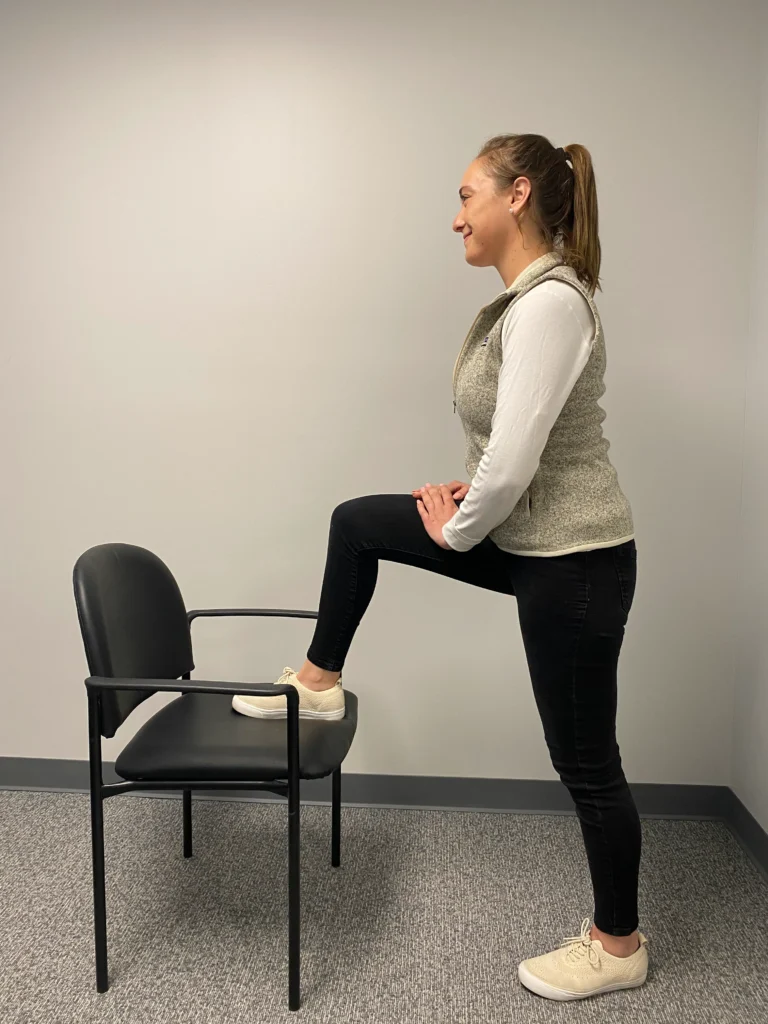
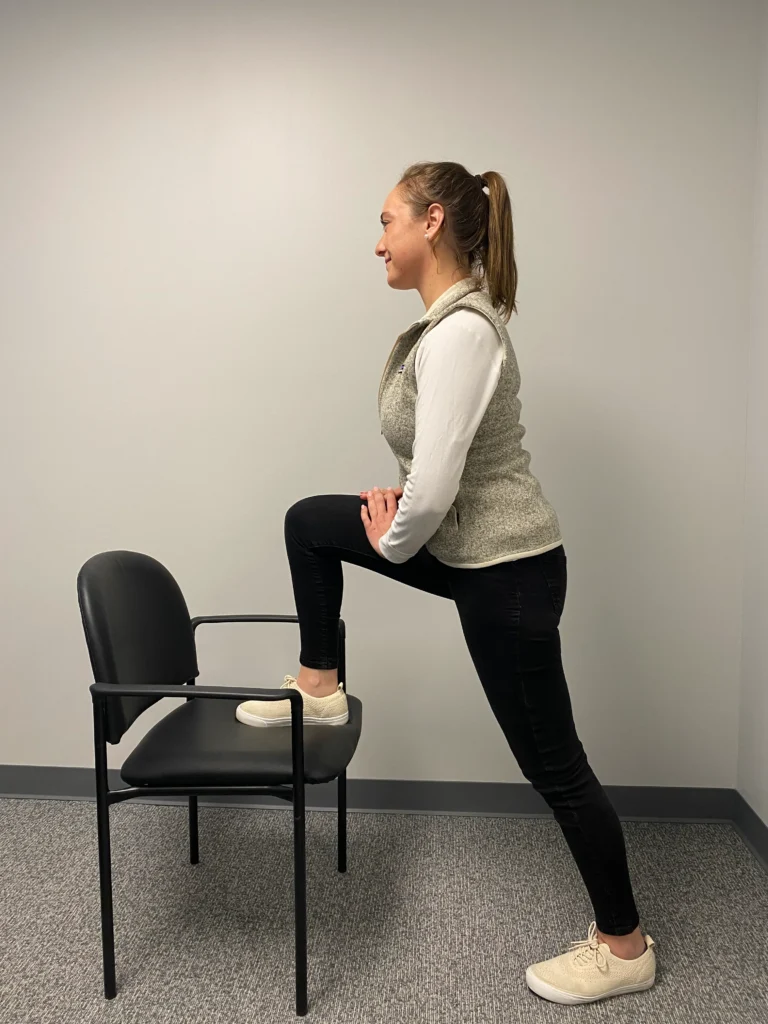
Hip Flexor Stretch
- Stand up straight and place your right foot on a raised surface in front of you, with your toes facing forward
- Your left leg is on the floor, with your toes facing forward as well
- Bend your right knee and shift your body weight forward
- Try to note a comfortable stretch in the front of your left thigh
- Hold for 30-60 seconds
- Repeat 2-3 times on each leg


Hamstring Stretch
- Lie flat on your back with both legs straight
- Place a strap or band around the ball of your foot
- Using your upper body, raise the leg off the floor, keeping the leg straight until you feel a gentle stretch in the back of the leg
- Hold for 30-60 seconds
- Repeat 2-3 times on each leg
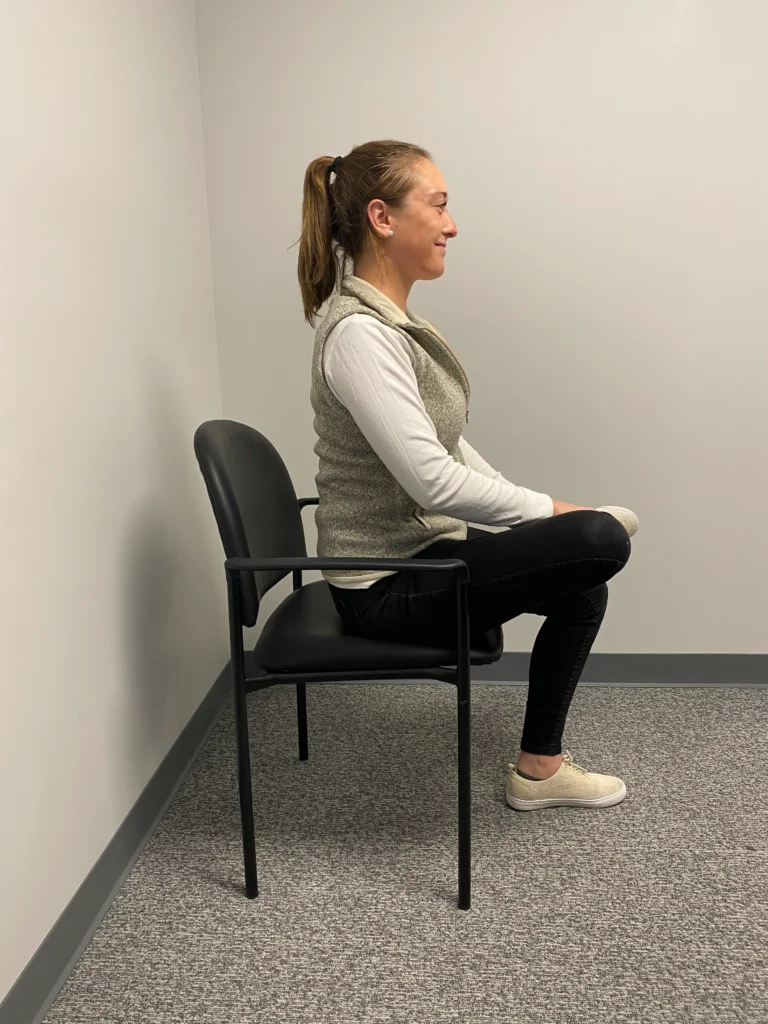
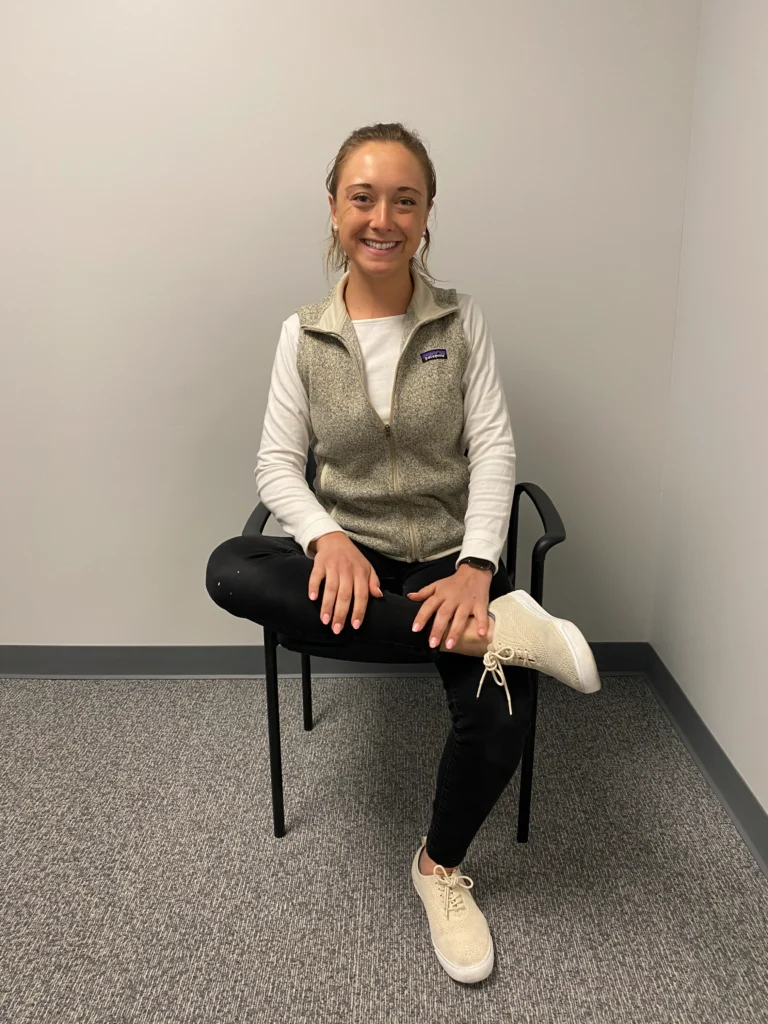
Piriformis Stretch
- Sit up straight at the edge of a chair with one ankle resting on the opposite knee
- While keeping your lower back straight, slowly lean forward, hinging at your hips
- Try to note a comfortable stretch in gluteal region of the crossed leg
- Hold for 30-60 seconds
- Repeat 2-3 times on each leg
If you’re unable to be as active as you’d like due to back pain, you don’t have to accept sitting out on life. Back pain may not be life-threatening, but it doesn’t have to threaten the life you want to live. As your partner in health, our team is just a call or click away. Contact your nearest MCR Chiropractic location or click the button below to request an appointment.


Unlocking Off-Season Potential
When the final whistle blows on another exciting soccer season, young athletes enter a crucial phase: the off-season. This pause from high-stakes games and weekly practices is more than just downtime; it’s an opportunity to focus on recovery. If you’re looking for ways to make the most of the time ahead, this article is for you!

Understanding the Off-Season
While the allure of year-round play may be strong, the off-season provides a crucial window to focus on injury prevention and foundational skills. Unlike the grueling demands of competitive play, the off-season should prioritize sharpening skills and targeting overall strength and conditioning. This focus reduces the risk of injury and enhances athleticism, setting the stage for peak performance when the season resumes.
Recharge and Recover
One of the most important aspects of the off-season is rest and recovery. After months of pushing their bodies to the limit, athletes (especially those with growing bodies) need time to recharge. However, rest does not mean complete inactivity. Instead, it’s about finding a balance between relaxation and low-impact training. This could include activities like yoga, swimming, or even learning a new sport—anything that is fun and keeps the body moving without adding excessive physical or emotional strain.
Chiropractic Care for Young Athletes
Sports injuries are common, but incorporating chiropractic care can provide relief for your athletes and a faster recovery. Our chiropractors can help young athletes remain balanced and keep their bodies healthy, which boosts their performance. Chiropractic care can help reduce the risk of injuries by keeping the body at peak performance levels. If there is an injury, a chiropractor can help treat the root cause of the pain, helping athletes get back to playing their favorite sport.
MCR Chiropractors to the Rescue
Visiting our chiropractor can help treat various sports injuries. Common conditions treated in chiropractic include:
- Back pain
- Neck pain
- Concussions and headaches
- Tennis elbow
- Runner’s knee
- Hip pain
- Sprains and strains
- Rotator cuff injuries
Chiropractic care involves various techniques, including chiropractic adjustments, manual therapy, and corrective exercises. Additionally, chiropractors create sport-appropriate care recommendations based on the athlete’s goals and clinical findings.

Off-Season Survival Guide
Here are five tips to help you create a game plan for off-season success:
- Embrace Rest: Recognize the importance of rest in the recovery process and encourage your athlete to prioritize sleep, nutrition, and mental relaxation.
- Quality Over Quantity: With the pressures to be the best, it’s easy for young athletes to fall into the trap of overtraining. During the off-season, emphasize quality workouts over quantity, allowing the body to recover fully between sessions.
- Prioritize Sleep: Adequate sleep is essential for physical and mental recovery. A consistent sleep schedule and a relaxing bedtime routine can enhance sleep quality.
- Explore New Activities: Variety is the key to preventing burnout. Use your off-season to experiment with alternative forms of exercise or relaxation, from racquet sports to meditation, to keep things exciting and enjoyable.
- Address Lingering Injuries: Pain is not a badge of honor; it’s a signal that something needs attention. Seeking guidance from a physical therapist or healthcare provider can prevent minor issues from becoming major setbacks.
Partnering With You for Year-Round Success
By approaching the off-season with intention and purpose, young athletes can set themselves up for success in the seasons to come. Whether it’s focusing on recovery, incorporating strength training, or exploring new activities, the off-season is a valuable time for growth and development.
Regardless of the preferred sport, by recognizing the importance of off-season training in preventing injuries and unnecessary sports burnout, you will be on your road to long-term athletic success. If you or your child would like to learn more about the benefits of chiropractic, call your nearest MCR Chiropractic clinic or click the button below to schedule an appointment. Based on our recommendations and expertise, we will help you perform better, recover from an injury, or develop an ongoing pain-management plan.