




Start 2026 With Better Spinal Health and Balanced Movement
A new year brings a natural opportunity to take inventory of how you feel, how you move, and how well your body supports the life you want to live. Whether your goals include staying active with your family, managing daily demands more comfortably, or simply feeling more aligned and energized, your spine and nervous system play a central role in every one of those intentions.
At MCR Chiropractic, we believe spinal health is the foundation for strong, steady movement. When your spine is functioning well, your body moves with greater ease, your posture improves, and your nervous system communicates more effectively. These are the building blocks for a healthier, more active year.
If stiffness, recurring aches, or limited mobility have been holding you back, chiropractic care can help you begin 2026 with greater balance and confidence.
Why Chiropractic Care Belongs in Your 2026 Health Plan
Chiropractors are clinically trained to evaluate the spine, joints, and nervous system to understand how they influence movement, comfort, and everyday function. Care focuses on restoring proper joint motion, improving alignment, reducing irritation on surrounding tissues, and helping the body move the way it was designed.
Most importantly, you do not need a major injury to benefit. Many people use chiropractic care as a preventive and supportive tool to stay active, reduce discomfort, and manage the effects of long workdays, sedentary habits, or daily strain.
Below are several ways chiropractic care can support your health as the new year begins.
1. Support for Spinal Alignment and Joint Function
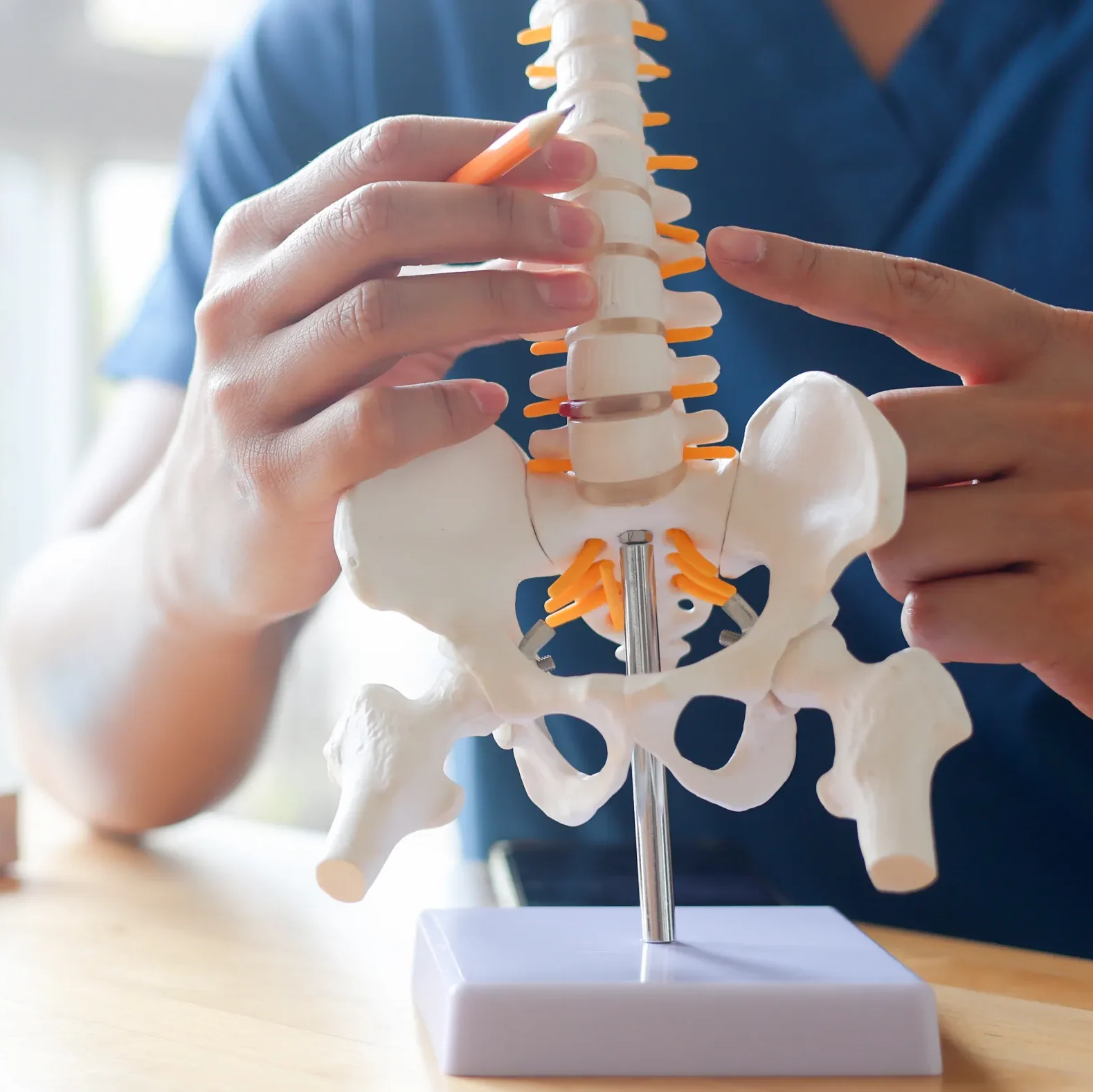
Healthy movement depends on how well your spine and joints function. Misalignments, restricted motion, and postural stress can contribute to pain or stiffness over time. Gentle chiropractic adjustments and soft tissue techniques help restore mobility, improve joint mechanics, and support better overall movement.
These improvements can enhance your ability to exercise, perform daily tasks, and maintain a comfortable posture throughout the day.
2. Care for Both New and Longstanding Discomfort
Whether your symptoms began last week or have been present for months or years, chiropractic care offers strategies to reduce irritation, improve mobility, and help your body function more efficiently. Our clinicians regularly work with concerns such as neck tension, low-back discomfort, headaches, and repetitive strain.
By addressing both the spine and surrounding soft tissues, chiropractic care supports a more balanced movement pattern and helps prevent small issues from becoming larger ones.

3. A Stronger Connection Between Movement and the Nervous System
Your spine protects the central nervous system, which coordinates every movement, task, and sensation. When joints move freely and alignment improves, the nervous system communicates more effectively. Patients often describe feeling lighter, more centered, or more at ease after care because their bodies are better able to adapt to daily demands.
Improved nervous system function can also support better balance, steadier posture, and more controlled movement during exercise or routine activities.
4. Movement That Supports Mood and Daily Energy
Movement has meaningful effects on both physical and emotional health. When pain or stiffness makes activity uncomfortable, people often become less active without realizing it. Chiropractic care helps restore mobility so you can return to the activities that support energy, mood, and overall well-being.
Even small improvements in comfort can make it easier to maintain consistency with exercise, hobbies, and family routines.
5. A Proactive Approach to Staying Active and Preventing Injury
Chiropractic care is not only for symptom relief. Many individuals use it as a preventive strategy to stay ahead of muscle fatigue, postural strain, or repetitive stress that builds over time. Your chiropractor can identify early signs of dysfunction, recommend home strategies, and help you maintain healthy movement as you move through the year.
Investing in prevention now can reduce the likelihood of future setbacks and help you stay active with greater confidence.


You Don’t Need to Wait to Feel Better
Many people wait for discomfort to interfere with daily life before seeking help. But early attention makes a significant difference. Chiropractic care offers a natural, hands-on, non-invasive approach to reducing pain, improving movement, and supporting long-term wellness.
And because chiropractic care does not require a referral, you can begin immediately.
If you are ready to start 2026 feeling more aligned, more comfortable, and more in control of your movement, our MCR Chiropractic clinicians are here to help. Schedule your chiropractic appointment today, and let’s begin the new year with steady, confident progress.


Winter Movement Tips for Spinal Health, Balance, and Comfortable Activity
Winter in the Northeast brings cold temperatures, uneven surfaces, and shorter daylight, all factors that can influence spinal comfort, joint motion, and your ability to move confidently throughout the day. Instead of seeing winter as a barrier, you can approach this season as an opportunity to support spinal alignment, maintain healthy movement, and keep your body prepared for the activities you enjoy year-round.
Below are winter-specific tips grounded in chiropractic principles. Each one highlights how steady, intentional movement can help you stay comfortable and protect your spine during the colder months.
Support Your Balance on Changing Surfaces
Balance relies on coordinated communication between the spine, joints, muscles, and nervous system. Icy sidewalks and packed snow can disrupt that coordination and increase your risk of slipping.
To move more confidently outdoors:
- Choose pathways that are cleared of snow and well lit.
- Take shorter, slower steps on icy or uneven ground.
- Keep your weight centered over your feet by avoiding long strides.
- Wear supportive footwear with good traction.
Simple at-home balance activities, such as supported single-leg stance or slow heel-to-toe walking, help reinforce neuromuscular control and improve your stability on unpredictable surfaces.
Protect Your Knees in Cold Weather
Stiff joints, tight muscles, and unsteady terrain can place additional stress on the knees during winter. Support your knee health by:
- Warming up indoors before heading outside.
- Engaging the muscles around your hips and core to support alignment.
- Stepping carefully over snowbanks or curbs to avoid awkward twisting.
- Using railings or poles when conditions are slick.
If knee discomfort becomes persistent, chiropractic care can help improve joint motion, reduce strain on surrounding tissues, and support better alignment.

Prepare for Winter Sports
Skiing, skating, and snowshoeing require stable posture, strong core control, and flexible joints. A few weeks of focused strengthening can help reduce early-season injuries.
Key areas to prepare include:
- Glutes and hips for pelvic and spinal stability
- Core muscles to support posture
- Quadriceps and hamstrings for controlled knee alignment
- Ankles for balance and shock absorption
Your chiropractor can guide you through mobility and strengthening strategies that support safer, more comfortable participation in your preferred winter activities.
Have an Indoor Plan for Storm Days
Winter storms can disrupt outdoor routines, but consistent movement is still possible. Consider simple, spine-friendly exercises such as:
- Sit-to-stands
- Step-back lunges
- Wall push-ups
- Hip hinges
- Gentle balance work near a countertop
These activities help maintain strength, posture, and joint mobility, all important components of comfortable daily movement. If you are unsure how to perform these movements safely, your MCR chiropractor can demonstrate proper form during your visit.


Address Discomfort Early Instead of Working Around It
Cold weather and winter chores may increase stiffness or irritation in the spine, hips, or knees. Rather than waiting for symptoms to worsen, early evaluation can help identify the source of the problem and prevent longer-term limitations.
As your partner in spinal health, your MCR Chiropractic clinician is here to support your comfort and mobility this winter.
Request your chiropractic appointment today and start the season with better alignment and steady movement.


Safe and Efficient Snow-Shoveling Mechanics
Snow shoveling is one of the most common winter activities that leads to preventable injuries — especially low-back strains, shoulder pain, and slips or falls. Even though it seems like a simple household chore, shoveling requires a combination of strength, mobility, balance, and proper body mechanics. When the body isn’t prepared for that sudden burst of bending, lifting, and twisting, it’s easy for small aches to turn into bigger setbacks.
This month’s exercises, provided to us by Andrew G, PT, DPT, OCS, Clinic Manager and physical therapist at our MVPT – Biddeford clinic, are designed to help you get ahead of the season by strengthening the muscles that support your back, improving hip and core stability, and practicing the movement patterns that keep you safer when the snow starts to fall. With just a few minutes of preparation each day, you can reduce your risk of injury and make shoveling feel more manageable — and much less taxing on your body.
Whether you’re clearing your driveway after the first snowfall or tackling a heavier storm, these exercises will help you move more efficiently, protect your spine, and feel more confident every time you pick up the shovel.

We’re proud to feature Andrew, Managing Partner of MVPT Biddeford, whose compassion and patient-first approach set the tone for exceptional care in the clinic. Andrew joined MVPT in 2024 after more than a decade treating patients in outpatient orthopedics, and he brings a combination of advanced skill, thoughtful communication, and genuine empathy to every session.
An Orthopedic Clinical Specialist, Certified Strength & Conditioning Specialist, and Certified Myofascial Trigger Point Therapist, Andrew blends hands-on expertise with a deep understanding of movement, anatomy, and functional performance. His patients describe him as attentive, encouraging, and uniquely gifted at helping people feel seen, supported, and confident in their recovery.
As a leader, Andrew fosters a positive, collaborative environment where his team consistently delivers outstanding outcomes. Whether he’s guiding patients through complex injuries or helping them return to the activities they love, Andrew’s dedication to personalized, high-quality care shines through in everything he does.
Warm Up Before You Begin
A brief warm-up increases circulation, wakes up your core and legs, and prepares your joints for the task ahead. Spend a few minutes practicing slow, controlled movements such as marching in place, gentle squats, or hip swings. A warm body responds more safely to the force and repetition of shoveling.
Stretching and Strengthening for Safer Snow Removal
Below are Andrew’s recommended exercises to support mobility and strength in key muscle groups used during shoveling.


HIP FLEXOR STRETCH
- Stand up straight facing a chair or high bench
- Stand on the leg you’d like to stretch, placing the sole of your other foot firmly on the chair
- Ensure your foot is in the middle of the chair to avoid any tipping
- Stand up straight, look ahead, and tighten your buttock muscles
- Keep your stance leg straight as you push your hips forward
- You should feel a stretch in the front of your hip on your stance leg
- Hold this position for 20 to 30 seconds and perform it 3 times on each side


SEATED PIRIFORMIS/FIGURE 4 STRETCH
- Start in a seated position
- Cross your right leg over your left knee, resting your right ankle on your left knee
- Apply gentle pressure to the right knee as you lean forward, increasing the depth of the stretch in your right buttock
- Hold this position—you should feel a comfortable tension with no pain in your right buttock area
- Hold for 20 to 30 seconds and repeat 3 times on each side


SHOVEL & PIVOT
- Stand in a wide stance and imagine you’re holding a snow shovel with a load of snow in it
- Think about engaging your core (bring your navel toward your spine)
- Push your toes into the floor as you lift your heels and pivot to one side on the ball of your foot, keeping your core tight
- Turn your hips and shoulders 90 degrees
- Feel your calves, glutes, and quads activate as you turn
- Repeat this movement 3 times on each side


SQUAT
- Stand with your feet slightly wider than hips-width apart
- Bend at the knees as you lower and squat like you’re about to sit in a chair behind you
- While engaging your core, push through your heels and return to a standing position
- Repeat this exercise for 2 sets of 10 with a 30-second rest between sets


TRUNK ROTATION
- Stand with your feet shoulder-width apart and knees slightly bent
- Place your arms across your chest
- Turn your body left and right, and gradually increase the amount of movement
- Perform 10 times on each side and rest for 30 seconds before performing again
Additional Safety Tips While Shoveling
A few simple precautions can make snow removal safer and more manageable. Consider the following tips to support your back, shoulders, and knees while you work.
- Take breaks every 10 to 15 minutes to reduce fatigue.
- Push snow when possible instead of lifting it.
- If you must lift, choose small loads and keep the shovel close to your body.
- Pivot your whole body rather than twisting your back.
- Stop if you feel sharp or increasing pain.
If discomfort occurs during or after shoveling, a chiropractor can evaluate your mechanics and recommend targeted strategies to support safe, efficient movement.
Need Help Getting Started?
If you would like guidance with these exercises or have concerns about pain or mobility during winter chores, our team is here to help. Schedule an appointment at your nearest clinic to learn how chiropractic care can help you move comfortably and confidently throughout the season.


Back Sprains & Strains: Why Caring for Your Spine Matters Now
Many people will feel a twinge in their back and dismiss it as “just the cold,” “just getting older,” or “just the shoveling.” Yet what may start as a minor sprain or strain can influence your comfort, mobility, and activity levels for weeks or months if left unchecked.
At MCR Chiropractic, we know that even a minor back ligament or muscle injury can ripple through your posture, nerve signals, and movement patterns. Given the demands of winter, from clearing snow to walking on uneven ground, this is a good time to pay attention.

What’s the Difference Between a Strain and a Sprain?
A sprain refers to a stretching or tearing of a ligament, the tough connective tissue that links bone to bone around a joint. A strain involves a muscle or tendon, the tissues that connect muscle to bone. In the back, sprains and strains often stem from overuse, improper lifting, awkward movements, or sudden shifts in position.
Common signs include:
- Persistent pain or stiffness when bending or twisting
- Muscle spasms around the injured area
- Limited ability to perform movements you usually can, such as reaching, lifting, or rotating
- Occasional swelling or bruising, though less often visible in the back than in limbs
Because the back supports so many everyday activities, from walking and standing to lifting and twisting, even modest injuries can interrupt your routine.
Why the Winter Season Matters
During colder months, your muscles and ligaments are less flexible, the ground may be unstable, and tasks such as shoveling or clearing paths add extra load to your back. These factors increase the risk of sprains and strains.
If you experience back discomfort now, it’s an opportunity rather than a setback. Addressing the issue early can reduce longer-term consequences, enhance your movement quality, and help you maintain your activity levels through the rest of the year.
How Chiropractic Care Can Help You Recover and Stay Active
At MCR Chiropractic, our clinicians follow a clear approach when working with back sprains and strains:
- Maintenance & Prevention: We support you with posture advice, ergonomics, movement strategies for winter tasks, and regular check-ins so your back remains resilient throughout the year.
- Evaluation & Personalized Goals: We review your history, assess how your back moves, examine your posture, and evaluate how your joints are functioning. We also discuss your goals, whether that means returning to daily comfort, keeping up with winter activities, or restoring the movement you need for work or recreation, so your care plan reflects what matters most to you.
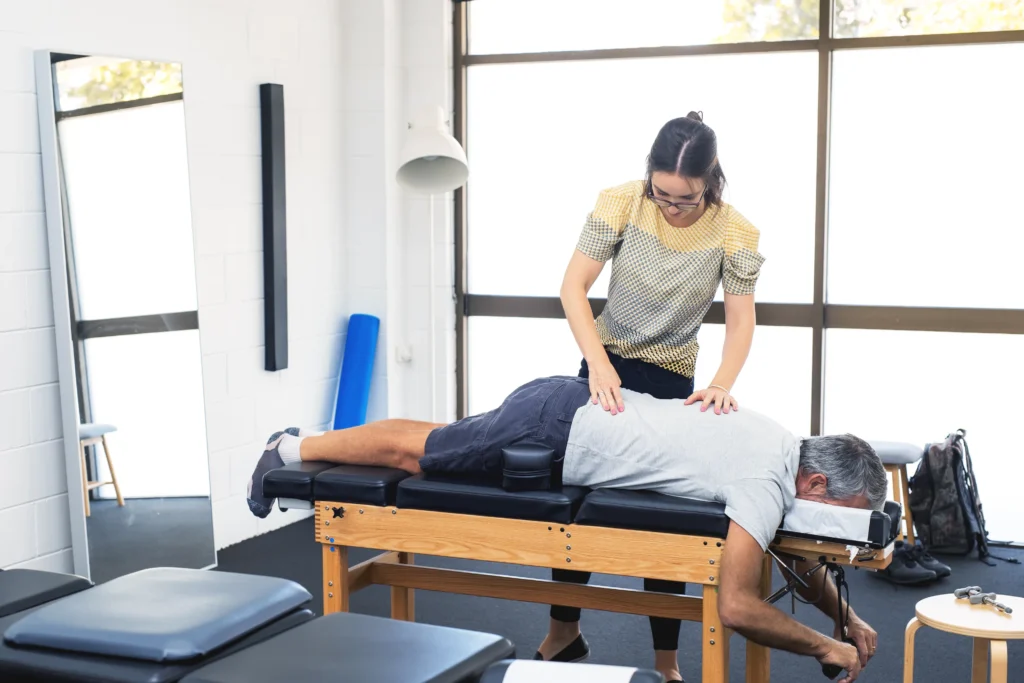
- Alignment, Stabilization & Pain Relief: Through gentle adjustments, manual therapy, and targeted techniques, we aim to reduce pain, ease muscle tension, and restore normal joint motion.
- Corrective Movement & Strengthening: Once the acute phase has passed, we introduce controlled movements and exercises that improve strength, flexibility, and spinal alignment, reducing the chances of a repeat injury.
What You Can Do Right Now
Caring for your back during the winter months does not require major changes, but a few thoughtful habits can make a meaningful difference. Start by paying attention to how you lift, move, and respond to early signs of stiffness. Gentle, consistent activity supports mobility, and timely chiropractic care can help you stay ahead of discomfort.
Consider the following:
• Bend through your hips and knees — not your back — when lifting or shoveling.
• Notice stiffness that lasts more than a day or two and address it early.
• Stay active with light movement such as walking or gentle stretching.
• Schedule a chiropractic check-in if you have recurring back issues, changes in posture, or expect heavier winter chores.
These small adjustments can help protect your spine and keep you moving comfortably through the season.
Final Thought
Your spine matters in every movement you make. A back sprain or strain doesn’t have to limit your winter, and with the right care at the right time, you can keep your body moving comfortably and confidently into 2026.
If you are dealing with back pain, stiffness, or limited movement, the team at MCR Chiropractic is here to help. Schedule your appointment today and begin your path to improved spinal health and better function.