




Embrace Movement: How Chiropractic Keeps Your Joints Strong for Life
Spring is a season of renewal – longer days, warmer weather, and the perfect time to move more and feel your best. But if joint pain or stiffness is slowing you down, you’re not alone. Millions of adults experience joint discomfort as they age, making activities like gardening, walking, or playing with children and grandchildren more challenging.
The good news? You don’t have to accept joint pain as an inevitable part of aging. Chiropractic care can help you maintain strength, mobility, and comfort so you can keep doing the things you love.
Whether you’re looking to prevent joint issues, manage discomfort, or simply feel stronger and more flexible, chiropractic offers a natural, drug-free way to support your body and keep you moving well into the future.
Why Joint Health Matters as You Age
Your joints are the foundation of movement, allowing you to walk, bend, reach, and stay active. Over time, they experience wear and tear from daily life, previous injuries, or conditions like osteoarthritis.
Joint discomfort can start subtly – perhaps a stiff knee when getting out of bed or a twinge in your back after sitting too long. But without proper care, minor issues can progress, leading to chronic stiffness, inflammation, and reduced mobility that limits your lifestyle.
Common Causes of Joint Pain
Several factors contribute to joint discomfort and stiffness as we age:
- Osteoarthritis and cartilage breakdown – Over time, the protective cartilage between bones can wear down, leading to pain and stiffness.
HOW CHIROPRACTIC HELPS: Adjustments restore joint alignment, reducing unnecessary stress and friction on affected areas. This promotes better movement, slows degeneration, and helps manage pain naturally. - Past injuries or trauma – Previous injuries, even minor ones, can cause lingering joint issues if they weren’t properly rehabilitated.
HOW CHIROPRACTIC HELPS: Chiropractic care improves mobility in previously injured joints, breaks up scar tissue, and ensures proper alignment, helping to prevent compensation patterns that could lead to further pain or dysfunction. - Misalignment and posture issues – Poor posture, spinal misalignment, or improper movement patterns can put extra stress on your joints.
HOW CHIROPRACTIC HELPS: Chiropractors correct misalignments in the spine and other joints, improving posture and balance while reducing uneven joint pressure that can contribute to stiffness and discomfort. - Muscle weakness and imbalance – Weak muscles around a joint can lead to instability and increased joint strain.
HOW CHIROPRACTIC HELPS: Chiropractors assess muscle imbalances and provide specific adjustments and exercises to strengthen stabilizing muscles, improving joint support and function. - Inflammation and lifestyle factors – Chronic inflammation, stress, and even diet can affect joint health and contribute to discomfort.
HOW CHIROPRACTIC HELPS: Chiropractic care helps regulate nervous system function, reduce nerve irritation, and improve circulation, which can naturally lower inflammation and support overall joint health.
While aging is inevitable, joint pain is not. The key to staying active and mobile is taking a proactive approach to joint care – starting today.
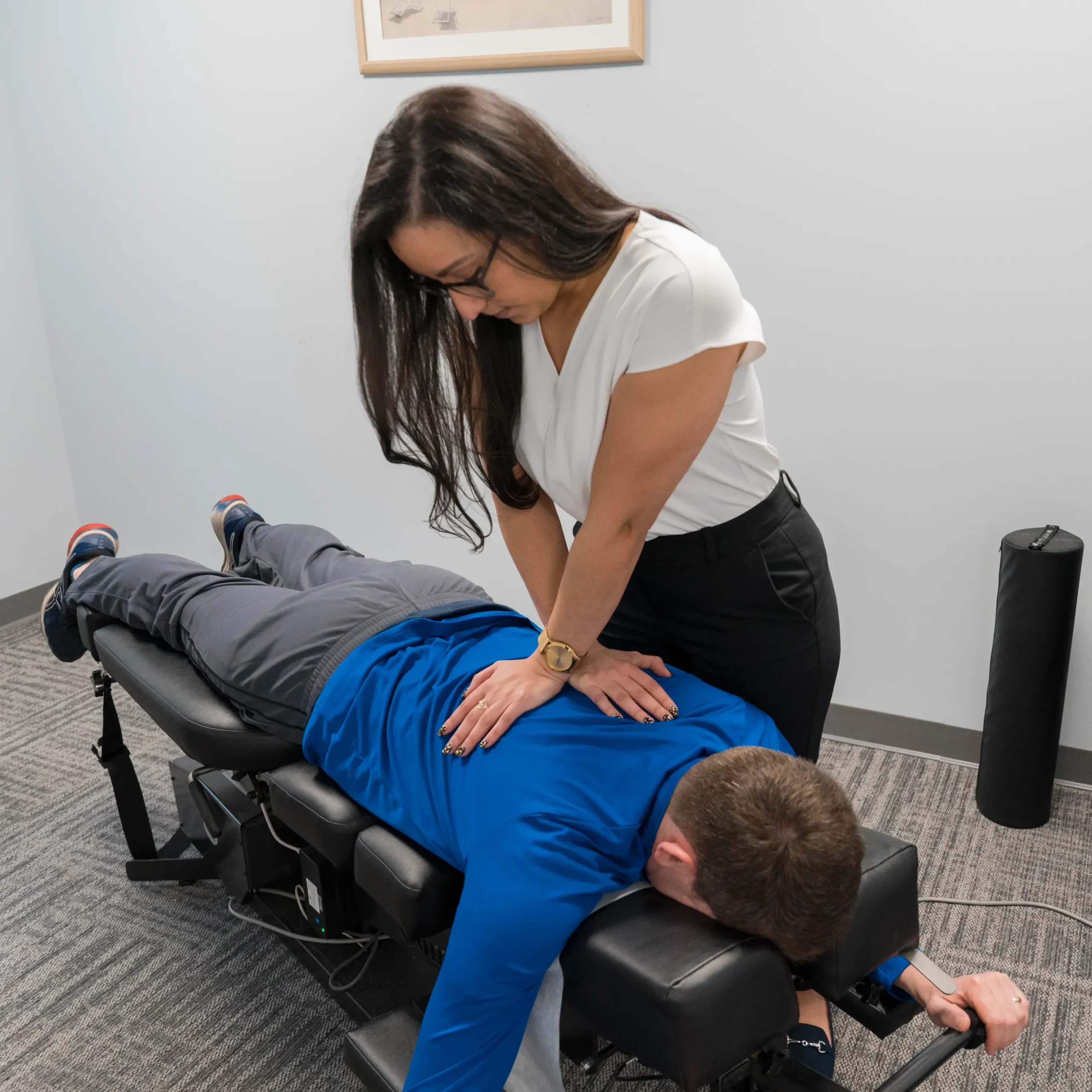
How Chiropractic Care Supports Lifelong Joint Health
Chiropractic is more than just spinal adjustments – it’s a holistic approach to movement, strength, well-being, and longevity. At MCR Chiropractic, we help you restore balance, improve alignment, and protect your joints from unnecessary stress and deterioration.
How Chiropractic Keeps You Moving at Your Best
- Restore Balance & Mobility – Chiropractic adjustments realign the spine and joints, reducing stiffness and improving movement. Proper alignment relieves tension on muscles and ligaments, helping you move freely and with less discomfort.
- Reduce Joint Stress & Inflammation – Misalignments can contribute to chronic inflammation and joint degeneration. Chiropractic care improves circulation, reduces nerve irritation, and helps slow down joint wear, keeping you mobile and feeling your best.
- Strengthen Joint-Supporting Muscles – Chiropractors provide targeted exercises to build strength in key areas like the hips, knees, core, and shoulders, reducing strain on joints and improving stability.
- Improve Posture & Movement – Poor posture places extra stress on joints, leading to stiffness and pain. Chiropractic adjustments align the spine, ease tension in the neck, shoulders, and lower back, and prevent movement imbalances that contribute to discomfort.
- Promote an Active Lifestyle – Movement is key to long-term joint health. Chiropractors offer guidance on low-impact exercise, stretching routines, and daily movement habits to maintain mobility, flexibility, and overall wellness.
Spring Into Motion: A Fresh Start for Your Joints
Spring is the perfect time to reset your health and prioritize movement. The warmer weather and longer days encourage outdoor activity, making it an ideal season to establish new habits for joint health.
Start by moving more – take daily walks, stretch regularly, or join a gentle movement class to keep your joints flexible and strong. Pay attention to your posture throughout the day, whether sitting, standing, or exercising, to reduce unnecessary strain on your joints. And don’t wait for minor discomfort to turn into a bigger issue – schedule a chiropractic check-up to ensure your body stays aligned and functioning at its best.
Chiropractic care isn’t just about pain relief; it’s about prevention and long-term well-being. Investing in your joint health today means staying active, independent, and moving well for years to come.
Your Path to Lifelong Joint Health Starts Here
You deserve to move freely and live fully – without joint pain holding you back. Chiropractic care provides a natural, drug-free solution to help you maintain strength, mobility, and comfort at any stage of life.
Don’t wait for discomfort to slow you down. Take the first step toward stronger, healthier joints by scheduling an appointment at MCR Chiropractic today.


Stride to Walking Program Success
Walking is the most popular form of exercise in the United States. It’s easy, free, and can be done just about anywhere. If you’re ready to commit to a walking routine, here are some physical therapist-approved tips to help you stride to success.
1. Prepare Your Body
When it comes to starting an exercise routine, preparation is key. Speak with your physical therapist to create a routine that could include dynamic stretches and tailored movements to get your body ready before you hit the road. Above all, if you’re currently experiencing any aches or pains, consult with your physical therapist or your doctor to address these issues before beginning your routine.
2. Choose Proper Footwear
Ensure you have the proper support for your feet. Wear comfortable and supportive shoes such as sneakers, hiking shoes, or cross-trainers. It’s best to avoid wearing flip-flops, flats, or dress shoes.
3. Set Goals
If you’re new to walking, start light! Your body will need to adjust to the new exercise. Too much walking early on can lead to aches and pains. Break down your long-term goal into bite-sized chunks to encourage success. For instance, start walking 30 minutes 4 to 5 days per week.
4. Commit Your Calendar
Once you’ve set your goals, plan your routine. Sit down and schedule a time to exercise. Don’t procrastinate and put it off until later. Your health is a priority!
5. Mix it Up
Variety is the spice of life! Switch up where you walk, the length of time, and who you walk with. The best part about walking is you can do it anywhere. Many high schools have rubberized tracks open to the public, which can be a great spot to meet other walking enthusiasts.
Walking Can Change Your Life!
According to the American Heart Association, walking at a lively pace at least 150 minutes a week (i.e. 30 minutes, 5 days per week) can help you:
- Think, feel, and sleep better
- Reduce the risk of serious diseases like heart disease, stroke, diabetes, and several types of cancer
- Improve blood pressure, blood sugar, and cholesterol levels
- Increase energy and stamina
- Improve mental and emotional wellbeing and reduce risk of depression
- Boost bone strength and reduce risk of osteoporosis
- Prevent weight gain
If 150 minutes sounds like a lot, don’t worry, it’s easy to fit in a few minutes of walking several times a day. Start with 10-minute walks in the morning and again at lunch or before dinner. Before you know it, you’ll build up your time and exercise capacity. Just like that, you’ll be reaching your goals and ready to set new ones! Good health is a marathon, not a sprint—so keep at it and have some fun along the way.
If pain or injury limits your ability to be as active as you’d like, just call your local MCR Chiropractic or click the button below to request an appointment.



Pilates – Movement is Medicine
If you’ve been diagnosed with arthritis, it’s important to keep moving. The Arthritis Foundation recommends many different ways to workout with arthritis. One of those is Pilates!
Pilates helps stretch the spine and strengthen muscles. You should consult a certified Pilates instructor to provide guidance, as certain movements may need to be monitored or limited with certain conditions.
Dr. John Olson of MCR Chiropractic Fall River is Certified as a Practitioner of Pilates for Rehabilitation. Combining Pilates movement with chiropractic offers a dynamic combination to restore normal movement patterns, gain strength and postural control, and improve body awareness.

Dr. John Olson
Dr. John Olson brings a wealth of experience and a deep passion for chiropractic care. A Westport, Massachusetts native, he comes from a family of chiropractors, including his wife, father, and sister. Before pursuing chiropractic, he served in the U.S. Navy in Japan. He later earned his Doctor of Chiropractic degree from Palmer College of Chiropractic in 2000 and has since practiced in New Bedford, Abington, and Norwell before joining MCR Chiropractic – Fall River.
Dr. Olson specializes in Pilates rehabilitation, earning his Practitioner of Pilates for Rehabilitation certificate from Polestar Pilates in 2014. By combining chiropractic with movement therapy, he helps patients restore mobility, improve posture, and build strength. He has also completed extensive post-graduate training in adjusting techniques, nutrition, radiology, and rehabilitation to provide the most effective, research-based care.
With expertise in treating acute and chronic musculoskeletal conditions, Dr. Olson is committed to helping patients move better, feel stronger, and achieve long-term wellness.
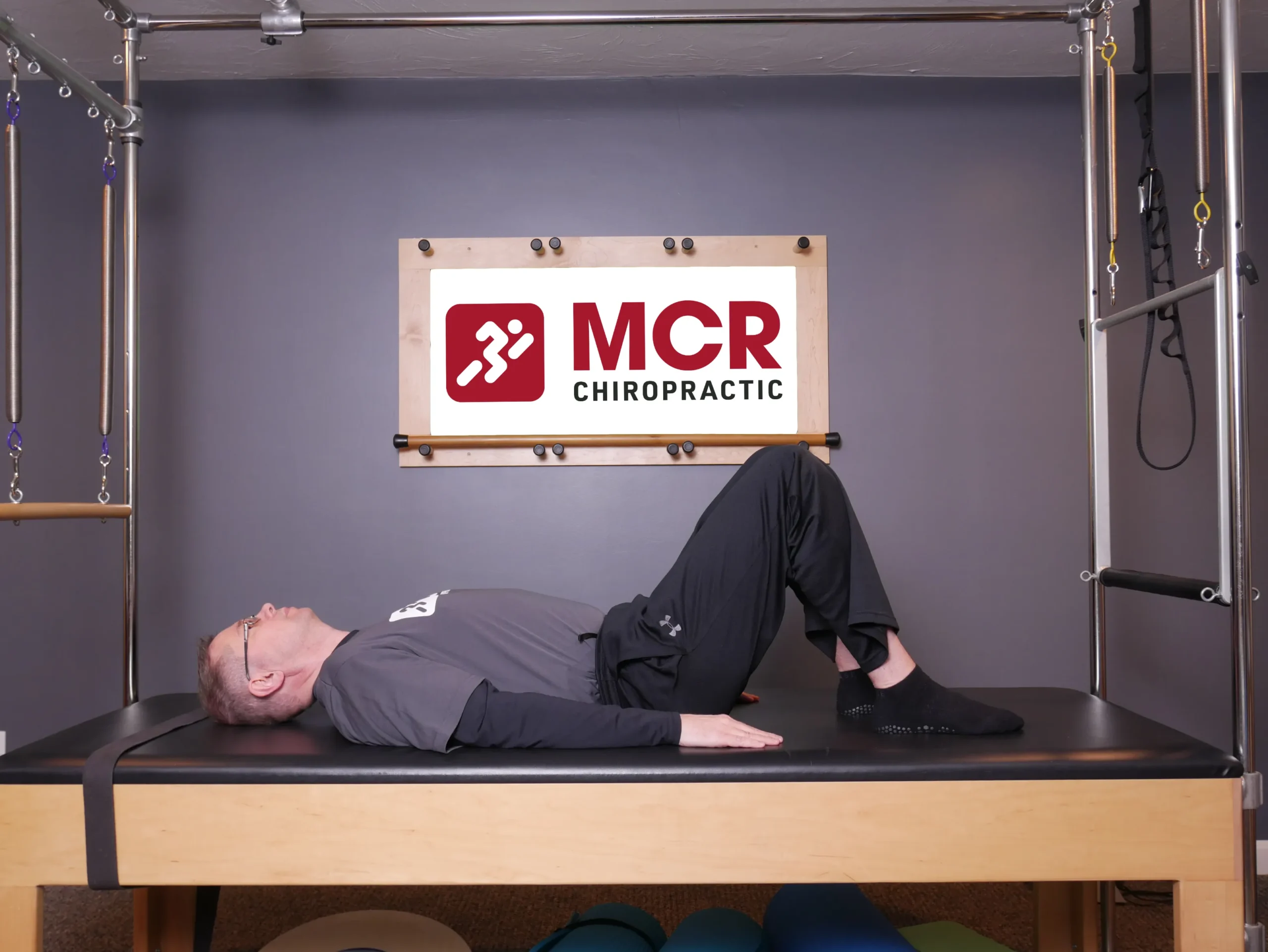
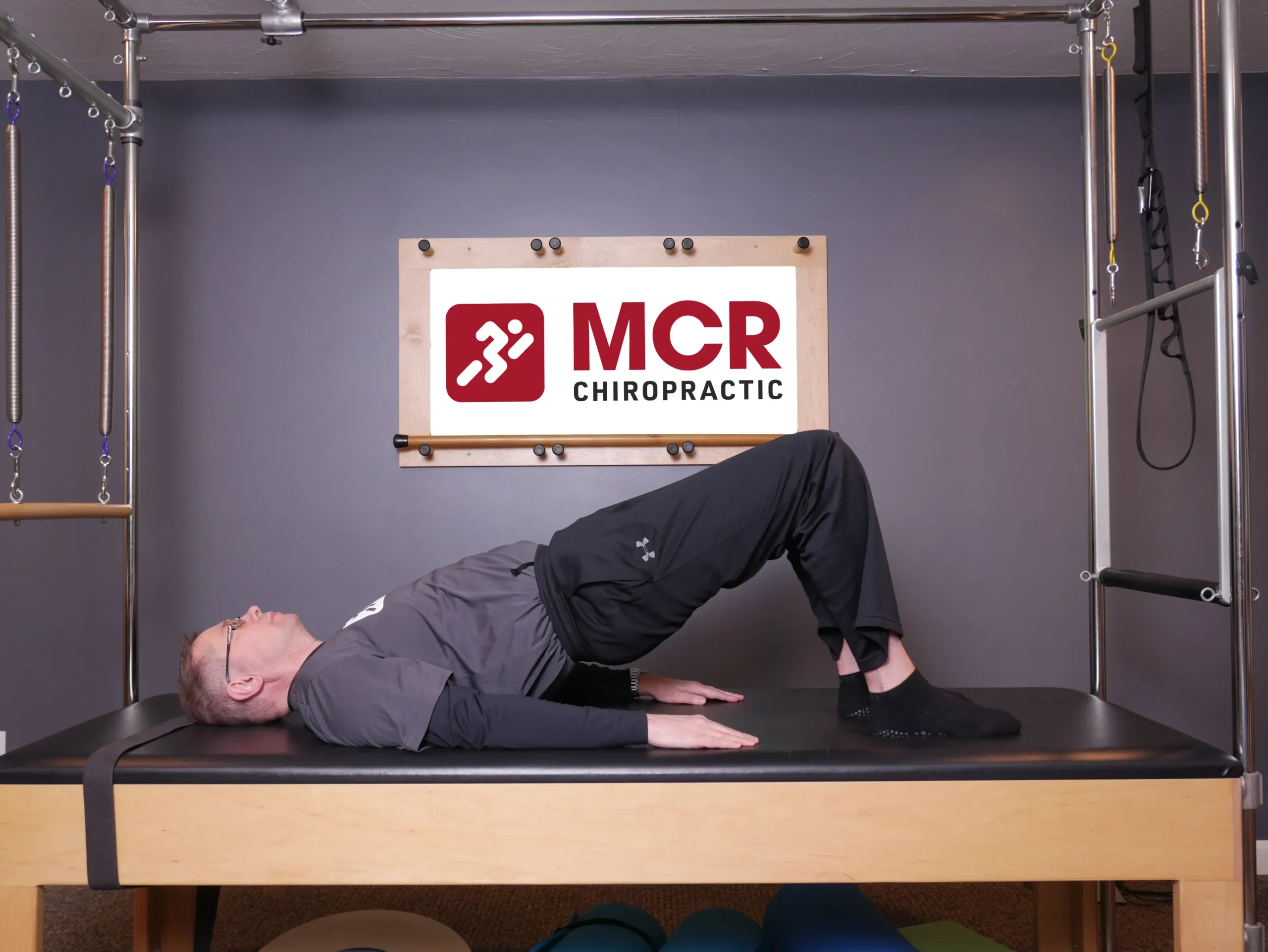
Bridges
- Start with your knees bent and your feet flat on the floor, hip-width apart, and arms by your side
- Take a deep inhale to widen your upper back
- Exhale as you articulate your spine slowly up to your shoulders
- Inhale at the top and then exhale as you roll your spine slowly down to the floor
- Repeat 4 or 5 times
- Variation: Perform on one leg.
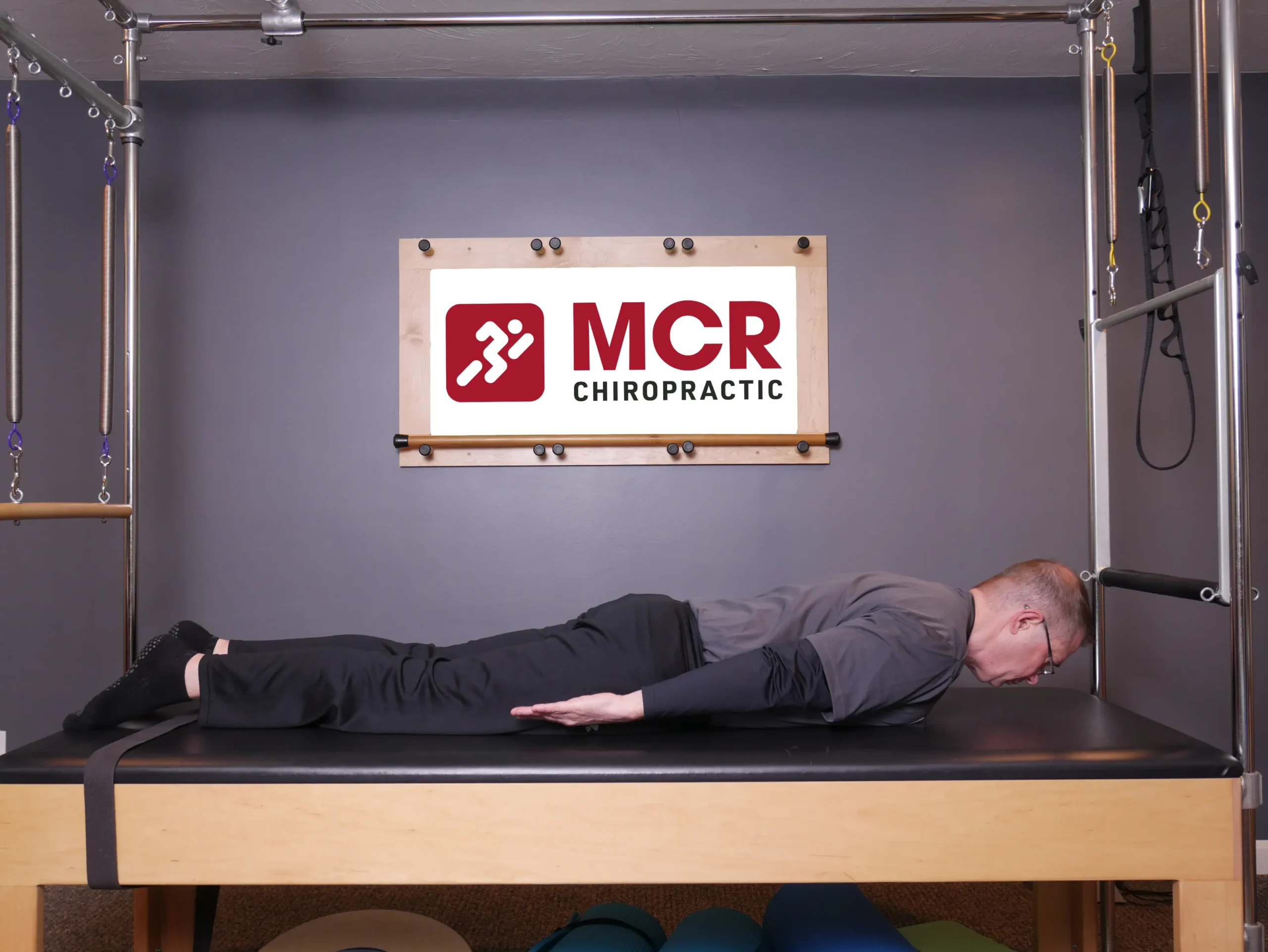
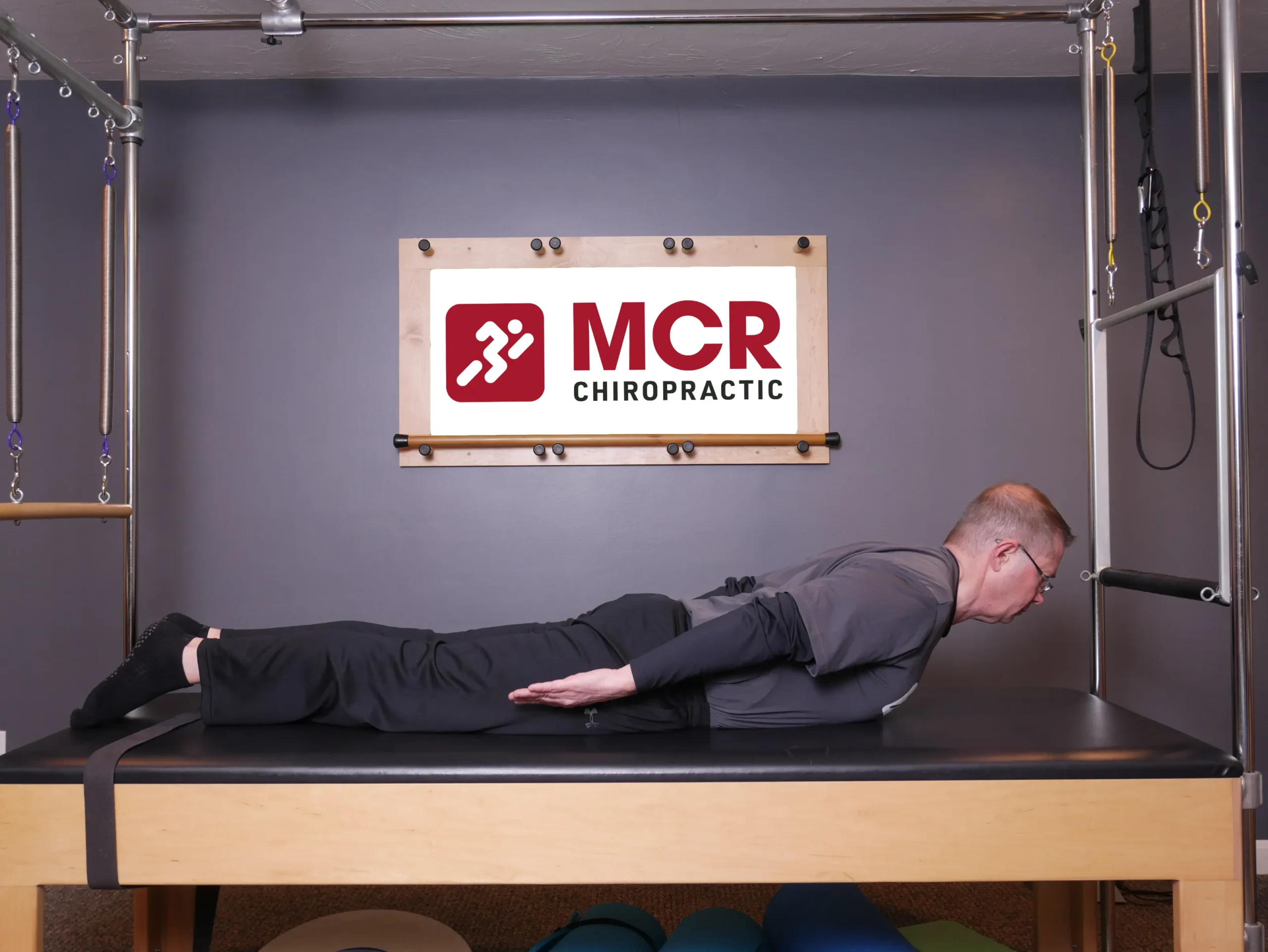
Darts
- Start lying on your stomach on the floor with your arms reaching back along your body, parallel to floor, palms down
- Begin by exhaling and lifting your chest off the mat, keeping the lowest ribs in contact with the mat, and lengthening your head away from your shoulders
- Inhale at the top to deepen thoracic extension
- Repeat 3 to 5 times
- Variation: Hold at the top and perform 3 to 5 arm pumps while exhaling.
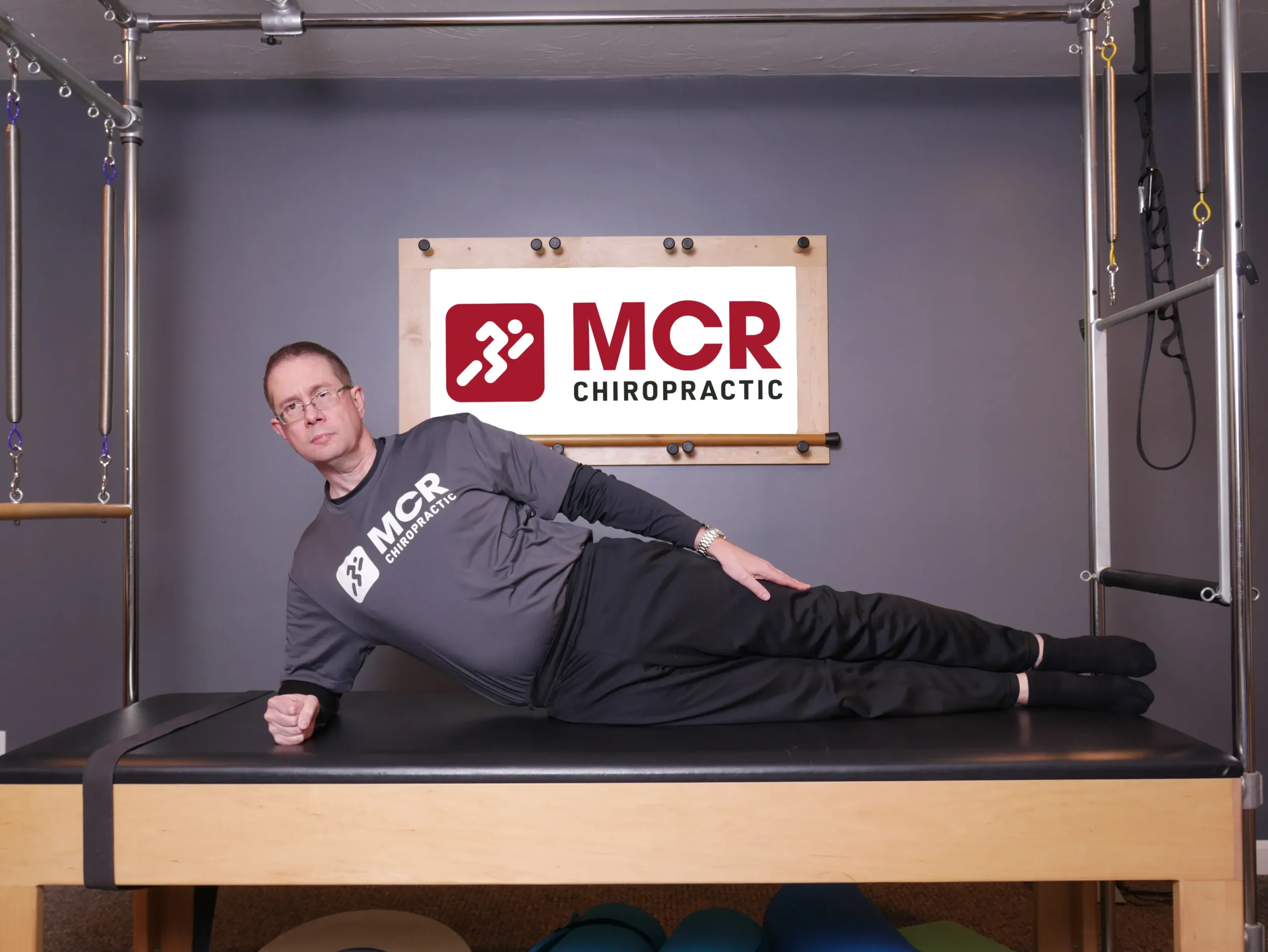
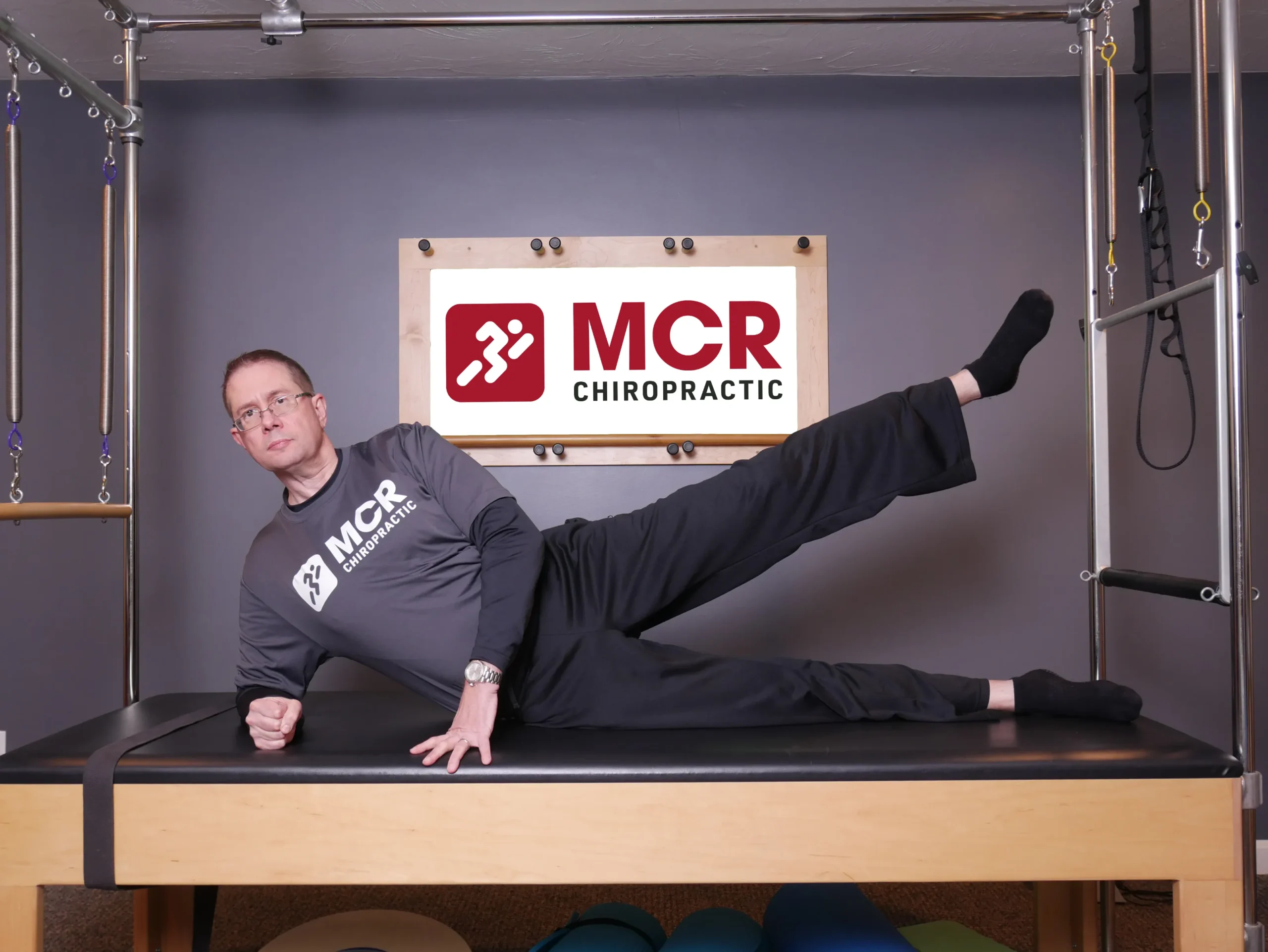
Sidekick
- Start on your side lying with your arm bent, your elbow directly under your shoulder, and your opposite hand on the floor in front of your chest
- Your top hip should be directly over the bottom hip with your waist raised from the floor
- Inhale as you raise the top leg as high as you can without letting your waist to drop
- Repeat 8 times on each side
- Variation: Raise your leg 6 inches and inhale as you bring your leg forward and exhale as you bring your leg back going into hip extension, keeping body alignment (no swaying).
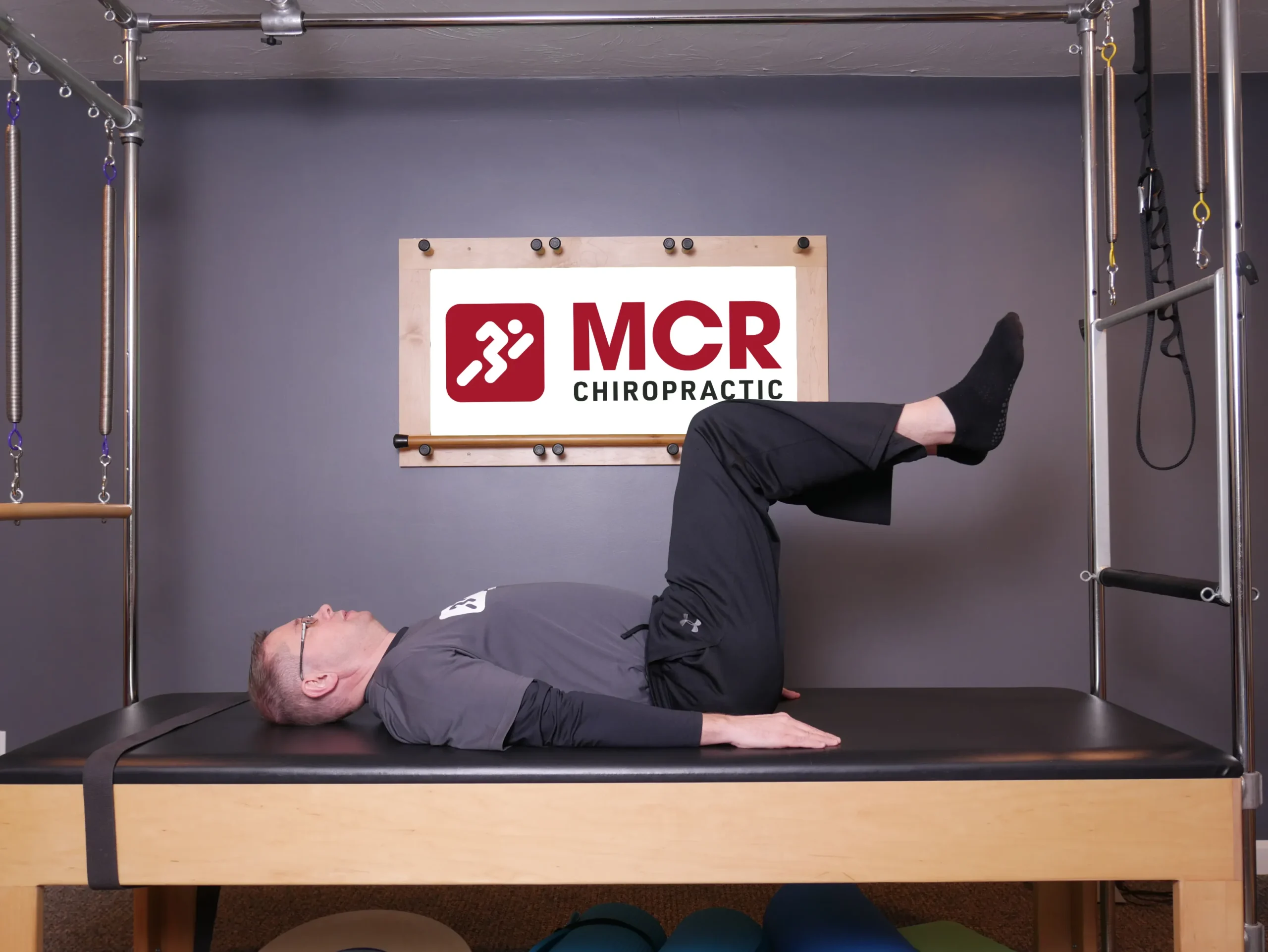
Hundreds
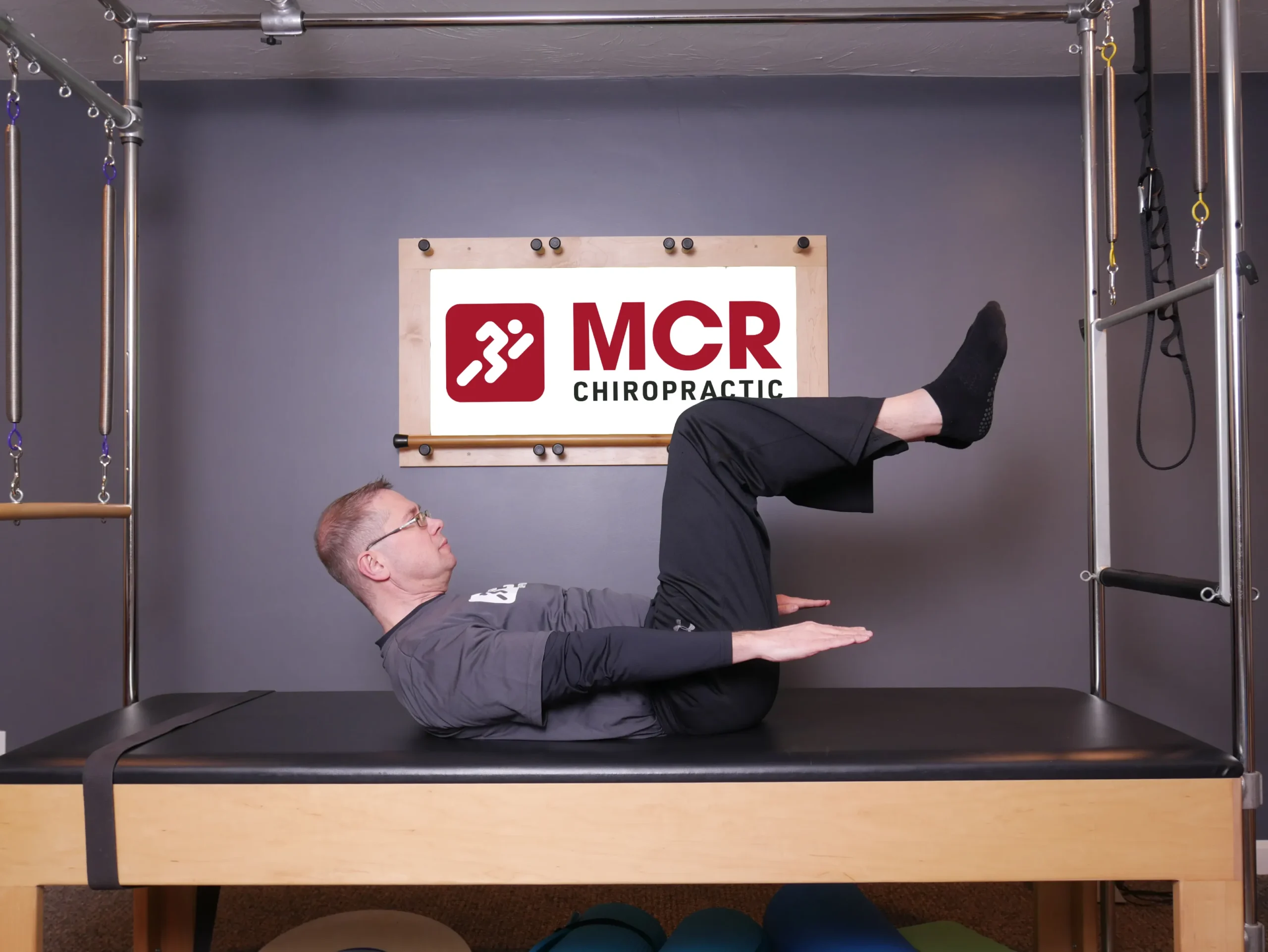
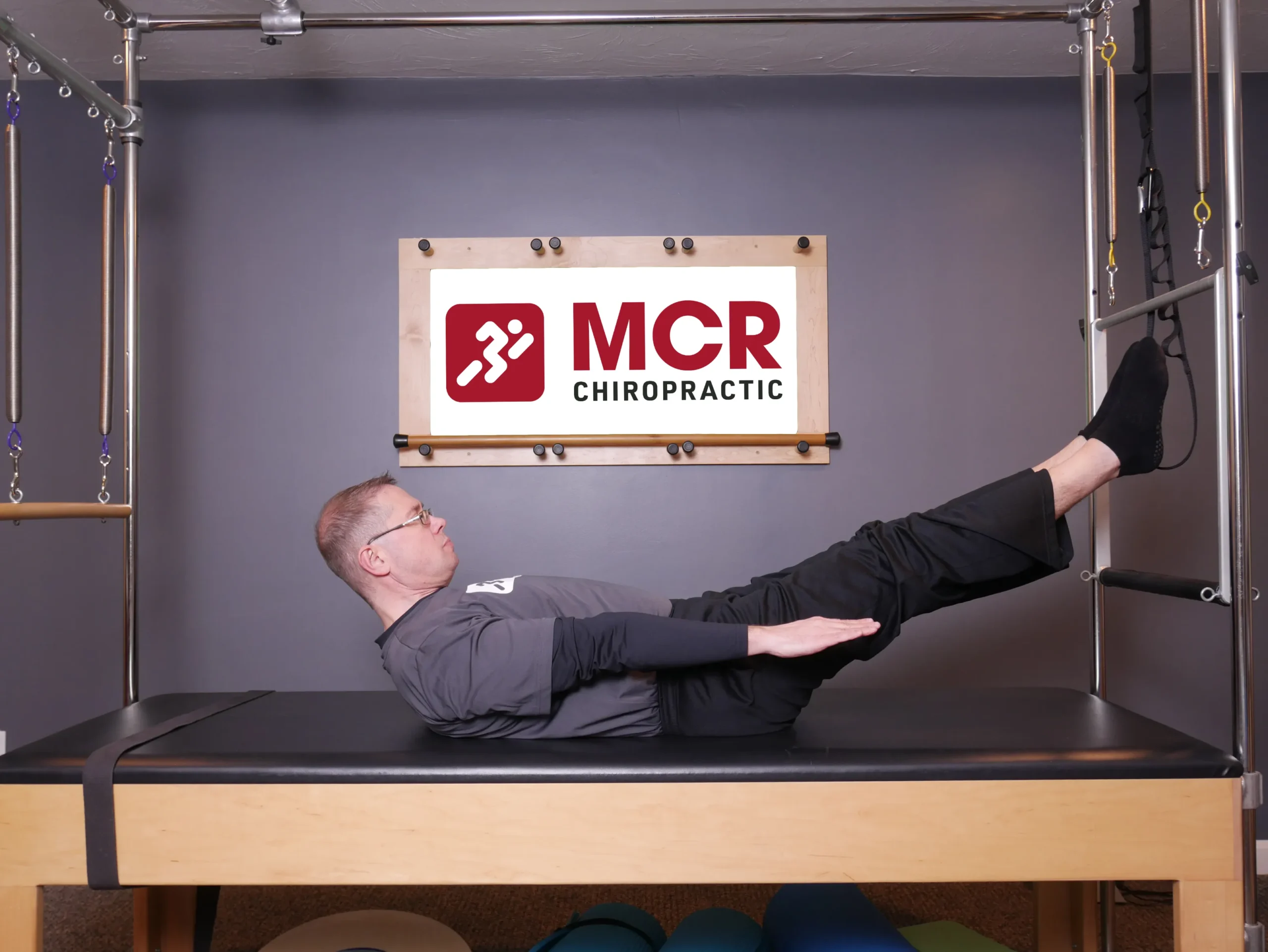
- Start lying on your back, knees bent in the air at a 90-degree angle, arms by your side, palms facing down
- Exhale as you roll your head, neck, and shoulders off the floor
- While in this position, use short arm pulses up and down while inhaling for 5 counts and exhaling for 5 counts
- Repeat 10 times, then lower back down
- Variation: To increase the challenge, extend the legs and hips. The lower your legs are to the floor, the greater the challenge.
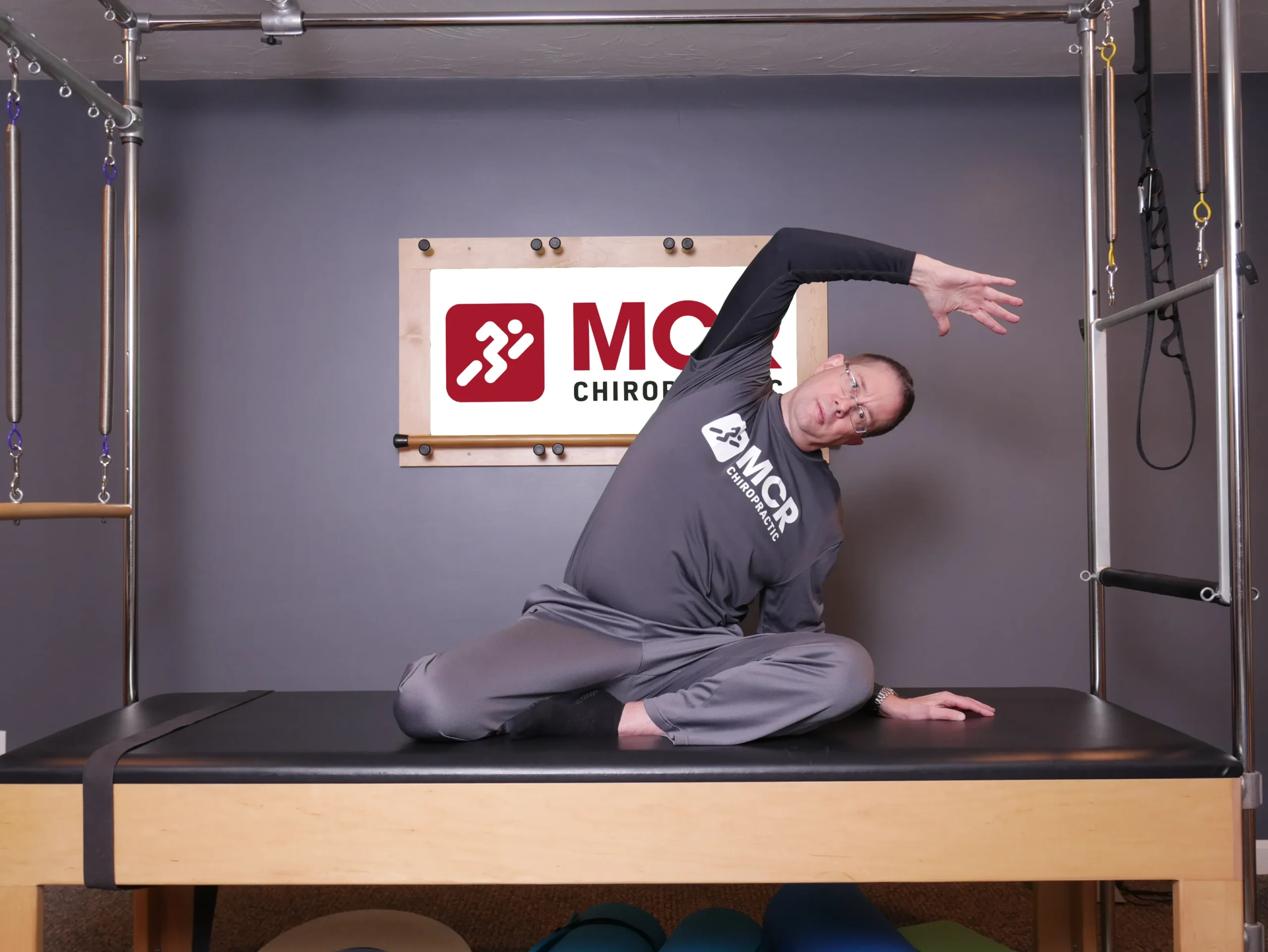
Mermaid
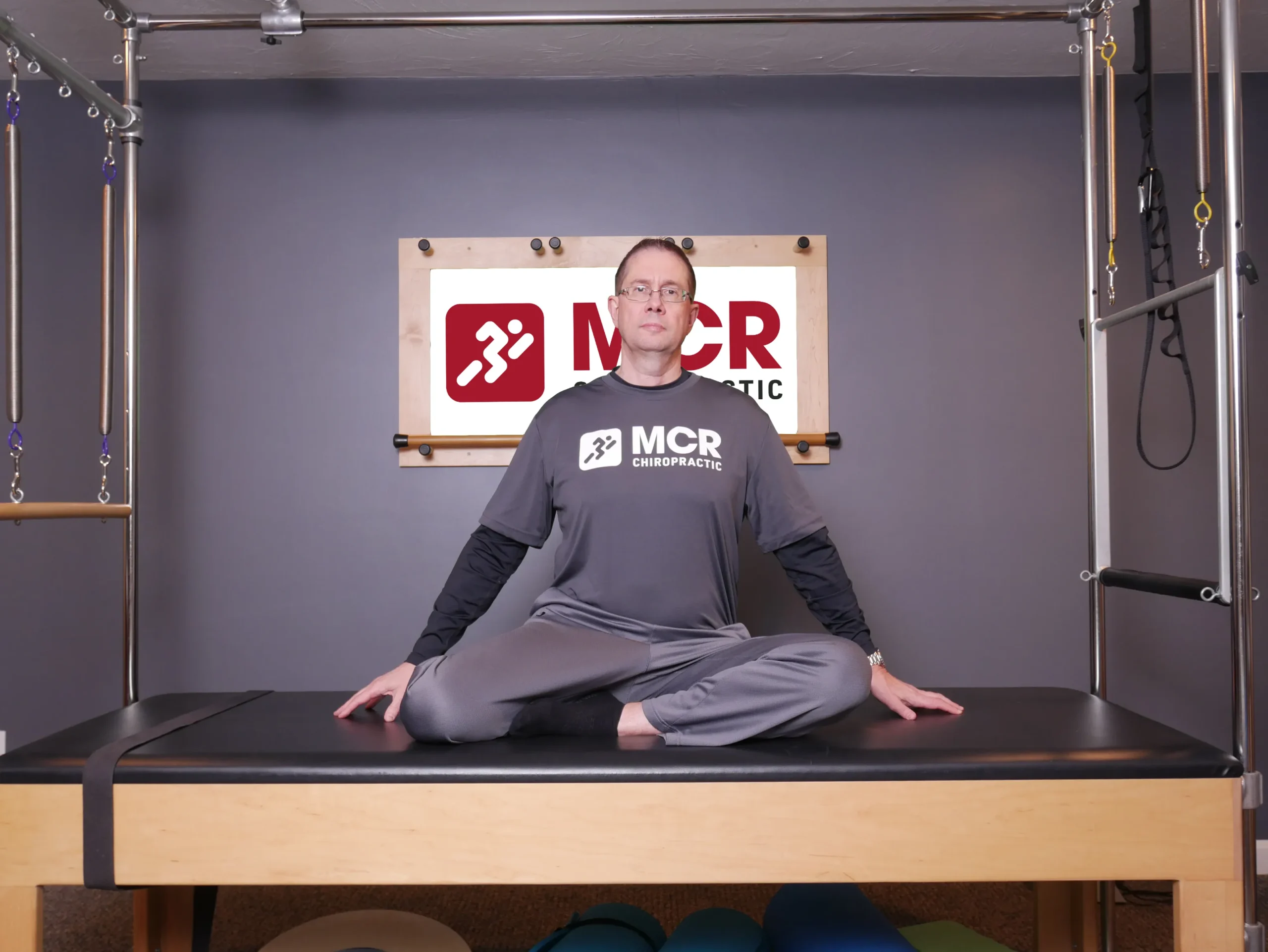
- Start in a seated position, upright with legs in a Z position, either to the right or left side. Raise arms to 90 degrees
- Inhale to lengthen your spine, then exhale as you place one hand onto the mat away from your legs
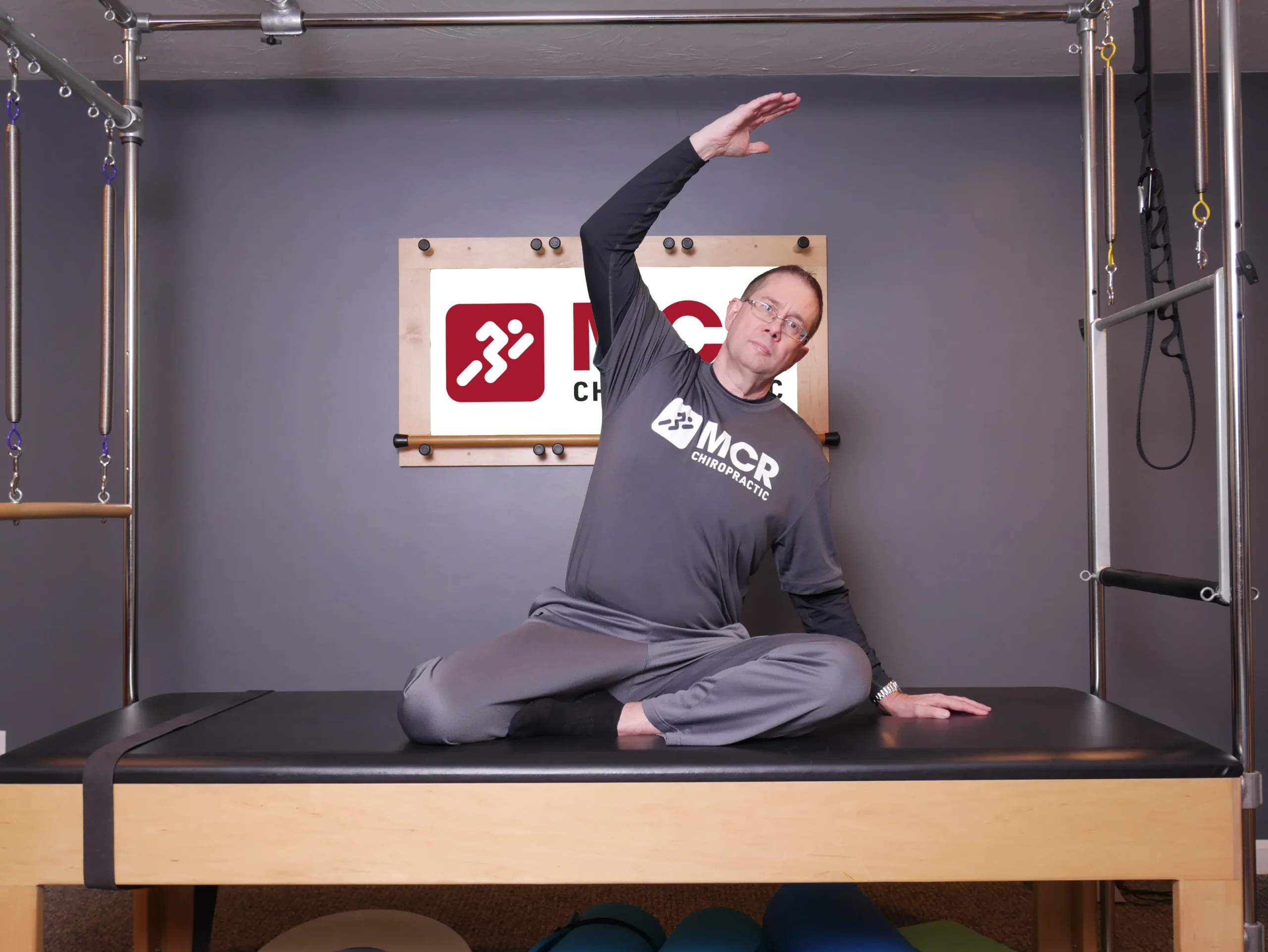
- Start to bend to the side, keeping your spine long as your other arm reaches overhead in an arc-like motion
- You can use your hand on the floor to push into the body to keep your far-side sit bone from elevating
- It’s important to maintain length in both sides of your waist
- Exhale to return to the sitting position
- Keep good posture and alignment as you bend to the side
- You can add a yoga block under the lower part of your hip bone if you’re getting knee or hip discomfort
- Repeat 4 to 5 times on each side
If you need help performing these stretches and exercises, please reach out to your local MCR clinic. If you’re experiencing any aches and pains, don’t put off a visit to your local MCR Chiropractor – now’s the time to schedule an appointment.

Reclaiming Movement: How to Overcome Chronic Pain and Restore Your Health
Chronic pain is more than just discomfort – it’s a complex condition that affects millions of people daily, limiting mobility, interfering with daily activities, and diminishing quality of life. While occasional aches and pains are a normal part of life, chronic pain lasts for three months or more and can persist even after the initial injury or condition has healed. Understanding the types of chronic pain, how it progresses, and the role of the nervous system is key to finding effective, long-term relief.
Types of Chronic Pain and How They Affect the Body
Chronic pain manifests in different ways depending on its cause and how it impacts the body. Here are the most common types:
- Neuropathic Pain – Caused by nerve damage or irritation, leading to burning, tingling, or shooting pain. Conditions like sciatica fall into this category. Spinal misalignments can worsen nerve compression, intensifying pain that radiates to different areas.
- Inflammatory Pain – Results from an overactive immune response, causing swelling, stiffness, and joint pain. Common in conditions like arthritis or fibromyalgia, inflammation increases stress on the body, limiting mobility and creating a cycle of discomfort.
- Musculoskeletal Pain – Develops from injuries, poor posture, or repetitive strain, leading to back pain, joint pain, and muscle stiffness. Misalignments and muscle imbalances can overload certain areas, worsening discomfort and movement restrictions.
- Mechanical Pain – Stems from structural imbalances in the spine, leading to abnormal movement patterns and excessive joint strain. Degenerative disc disease, herniated discs, and poor spinal alignment contribute to this type of pain, which worsens over time if left untreated.
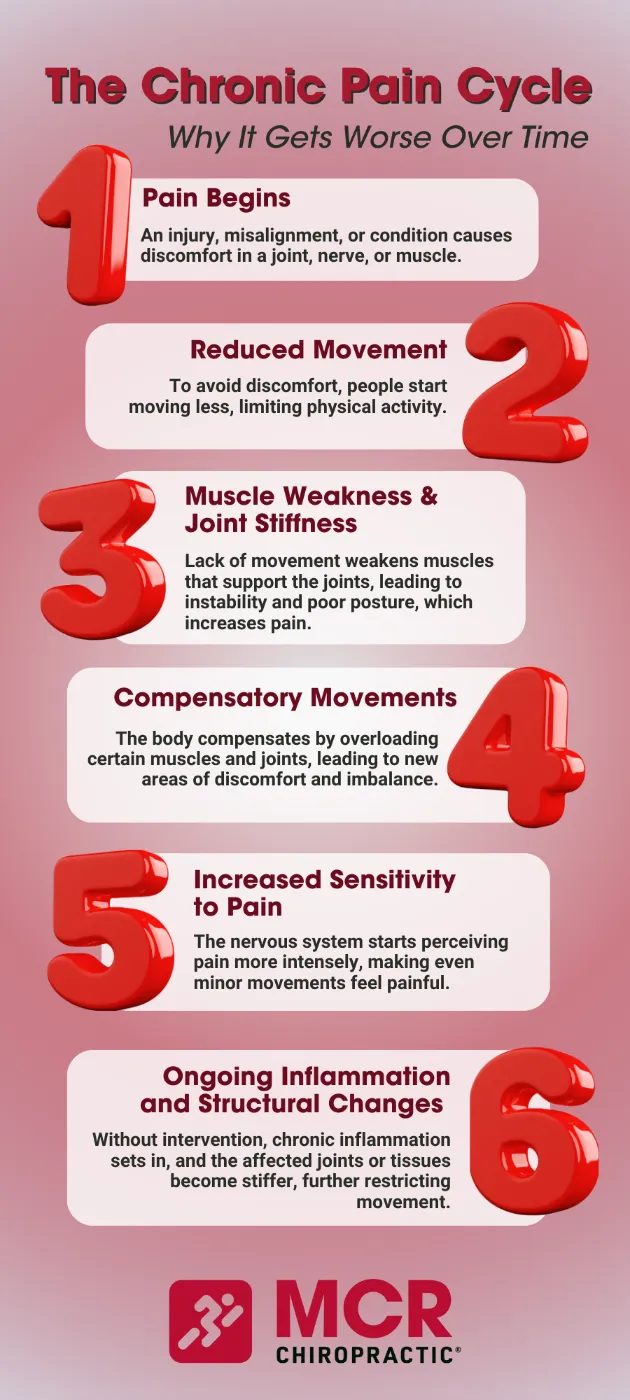
Regardless of the type, chronic pain doesn’t just affect one area of the body – it has a ripple effect on movement, mental health, and overall well-being.
Without proper care, this cycle worsens over time, making daily activities – like standing, walking, or even sleeping – more difficult. The key to breaking the cycle is restoring proper movement, reducing nerve irritation, and improving joint function, which is exactly where MCR Chiropractic comes in.
The Nervous System’s Role in Chronic Pain: Why Alignment Matters
The nervous system plays a critical role in pain perception. Your spine houses the spinal cord, which is the main communication highway between the brain and the body. When the spine is misaligned, it can put pressure on nerves, disrupting normal nerve signals and increasing pain sensitivity.
Here’s how the nervous system contributes to chronic pain:
- Misalignments Cause Nerve Irritation – When vertebrae are not properly aligned, they can compress nerves, sending pain signals to the brain even when no new injury is present.
- Heightened Pain Perception – Over time, the brain can become more sensitive to pain signals, meaning that even mild discomfort feels more intense.
- Reduced Mobility and Reflexes – Nerve compression can cause weakness, muscle tightness, or numbness, further limiting movement and increasing pain.
- Chronic Inflammation – Misalignments in the spine and joints can lead to prolonged inflammation, contributing to persistent pain and stiffness.
Chiropractic care directly addresses spinal misalignment and nerve interference, helping to restore normal nervous system function. By improving spinal alignment, chiropractors reduce nerve irritation, improve circulation, and allow the body to heal naturally.

The Benefits of Chiropractic Care for Chronic Pain
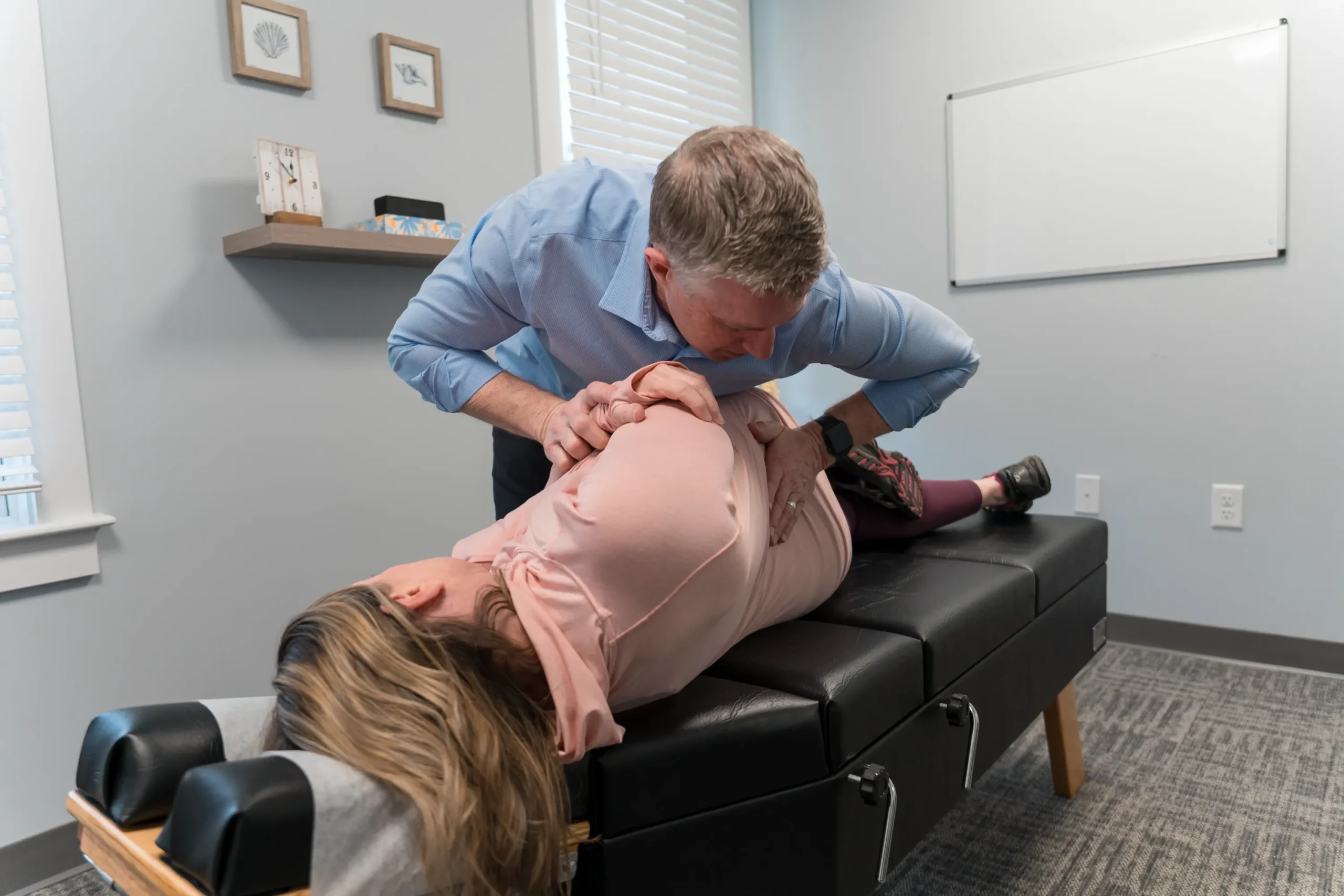
Chiropractic provides a natural, non-invasive approach to managing chronic pain by addressing its root causes. Unlike medications that offer temporary relief, chiropractic adjustments help restore movement, reduce nerve irritation, and improve overall function.
- Restores Mobility & Flexibility – Adjustments correct joint restrictions and misalignments, allowing for smoother, more efficient movement.
- Reduces Nerve Irritation & Inflammation – Proper spinal alignment relieves pressure on nerves, helping to regulate pain perception and minimize discomfort.
- Strengthens & Supports the Body – Chiropractors provide targeted exercises and soft tissue therapies to improve posture, stability, and muscle function.
- Promotes Long-Term Well-Being – By enhancing joint health and nervous system function, chiropractic care helps patients stay active and maintain a better quality of life.
Chiropractic care empowers individuals to move better, feel stronger, and take control of their health, breaking free from the limitations of chronic pain.
Breaking the Pain Cycle with Chiropractic Care
Chronic pain may feel overwhelming, but it doesn’t have to define your life. By correcting spinal misalignments, reducing nerve irritation, and improving joint function, chiropractic care helps break the cycle of chronic pain, restore mobility, and improve overall well-being.
If chronic pain is holding you back, chiropractic care provides a natural, non-invasive solution to help you move better, feel stronger, and take control of your health. Schedule your appointment today at MCR Chiropractic and take the first step toward long-term relief.