




Why Shoulder Health Starts with Chiropractic Care
You rely on your shoulders more than you realize. They lift, carry, reach, stabilize, and support you through nearly every part of your day. From loading groceries into the car to swinging a tennis racquet, gardening, traveling, or simply reaching overhead, healthy shoulder function allows you to move confidently and comfortably.
But shoulder health is not just about strength. It is about alignment. It is about balance. And it is about how well your spine and nervous system support the movement of your entire upper body.
At MCR Chiropractic, we look beyond isolated discomfort. We focus on how your shoulders function as part of a connected system — one that begins with the spine. When the spine moves well and the nervous system communicates efficiently, the shoulders can do what they are designed to do: move freely, stabilize effectively, and support you through life’s demands.
The Shoulder Is Powerful — and Dependent on Balance
The shoulder is one of the most mobile joints in the body. That mobility allows you to lift, rotate, and reach in multiple directions. But with that freedom of motion comes reliance on surrounding support structures. The rotator cuff muscles, shoulder blade stabilizers, ligaments, and connective tissue must work together in coordination. Even small imbalances can alter how the joint moves.


When alignment is compromised or joint motion becomes restricted, the shoulder may begin compensating. Over time, this can lead to tension, irritation, or reduced mobility. Chiropractic care supports shoulder function by:
- Restoring proper joint motion
- Improving alignment through the spine and shoulder complex
- Reducing muscular tension
- Supporting balanced movement patterns
- Enhancing nervous system communication
When the body moves in balance, the shoulders function more efficiently.
The Spine and Shoulder Connection
Your shoulders do not operate independently. The cervical spine (neck) and thoracic spine (mid-back) provide the structural and neurological foundation for shoulder movement. Restrictions or misalignments in these regions can influence how your shoulders move and how your muscles engage. For example:
- Forward head posture may increase strain on the rotator cuff.
- Thoracic stiffness can limit overhead motion.
- Nerve irritation in the neck may create symptoms that travel into the shoulder or arm.
Chiropractic adjustments help restore mobility to these areas, improving the mechanics of the entire upper body. When the spine functions properly, the shoulders are better supported.

Why Early Chiropractic Care Matters
Many people wait until discomfort becomes disruptive before seeking care. But small changes in movement are often early indicators that the body is adapting to stress. Addressing those changes early can:
- Help prevent prolonged inflammation
- Reduce unnecessary strain on surrounding tissues
- Support natural healing
- Improve mobility before restriction becomes significant
- Reduce reliance on medication
Chiropractic care is proactive. It supports function before dysfunction progresses. When you address imbalances early, you preserve mobility and maintain control over your health.
What Chiropractic Care May Include
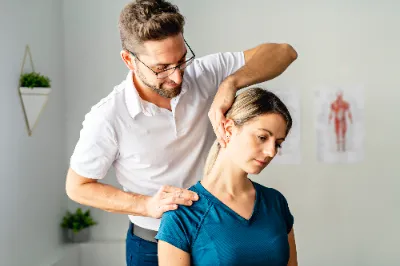
Your chiropractor begins with a thorough evaluation of spinal alignment, joint motion, muscle balance, and posture. Care is always tailored to your goals — whether that means returning to sport, maintaining comfort at work, or simply moving through daily life with greater ease. Your treatment plan may include:
- Spinal Adjustments — Gentle, precise adjustments help restore motion to restricted joints and support proper alignment.
- Shoulder and Extremity Adjustments — Targeted techniques may be used to improve joint mobility in the shoulder complex.
- Soft Tissue Techniques — Manual therapies may reduce muscular tension and improve tissue flexibility.
- Postural and Movement Guidance — Education and simple corrective exercises support long-term improvement and help maintain results.
Chiropractic care is designed not only to relieve discomfort, but to restore balance and optimize function, and promote long-term well-being.
Chiropractic Care Is About More Than Pain Relief
While many patients seek chiropractic care for discomfort, the greater value lies in supporting optimal movement and long-term wellness. When the spine and joints move efficiently:
- Muscles function more effectively
- Nerve communication improves
- Coordination and balance are supported
- Physical stress is reduced
- Recovery becomes more efficient
Health is not simply the absence of pain. It is the ability to move, participate, and live actively without limitation. Chiropractic care helps create that foundation.

Strong Shoulders Support an Active Life

Your shoulders allow you to embrace life’s moments — lifting a child, enjoying recreational sports, traveling comfortably, or completing daily tasks with confidence. When alignment is restored and mobility is maintained, movement feels smoother and more natural.
Chiropractic care helps you:
- Maintain joint health
- Improve posture
- Support upper body strength
- Reduce tension
- Stay active and engaged
If you have noticed shoulder tightness, neck stiffness, or reduced mobility, you do not need to wait for symptoms to worsen. Chiropractic care offers a proactive, natural approach to restoring balance and supporting optimal health.
Schedule your visit at MCR Chiropractic today and experience how we help you Regain & Maintain Optimal Health & Well-being.


Step Into Spring: Strength & Mobility Tips for Active Adventures
As the chill of winter fades away, spring breathes new life into our routines, inviting us to embrace movement once again. The days stretch longer, the air turns warmer, and the thrill of outdoor activities fills the air. Whether you’re hiking, running, diving into a game of golf, or enjoying a spirited round of pickleball, spring beckons us to reclaim our active lifestyle.
But with the excitement of returning to our favorite pastimes comes the temptation to jump right back in where we left off last fall. After a period of relative calm during the colder months, our bodies may need a little time to adjust to the increased demands of these activities. Rushing back into a high level of activity can lead to unnecessary strain if we don’t listen to our bodies.
The good news? Many common movement-related injuries can be prevented with thoughtful preparation and the right guidance.
Understanding Injury Prevention

To truly prevent injuries, it’s essential to understand how they originate. Many challenges develop gradually rather than appearing out of nowhere. Several common factors that may contribute to injuries include:
- Reduced joint mobility
- Spinal misalignment
- Muscle imbalances
- Repetitive activities without proper care
- Insufficient preparation for activity
Chiropractic care plays a crucial role in identifying and addressing these issues before they turn into real problems, helping you stay active and engaged.
Movement Works Best in Balance
Every time you move — whether it’s running, hiking, swinging a racquet, or enjoying outdoor work — your muscles, joints, and connective tissues face different demands. When your joints move freely and your spine is aligned, your muscles can perform more efficiently, leading to smoother movement and quicker recovery. However, when mobility is restricted or alignment is off, your body may compensate, leading to tension and discomfort over time.
Chiropractic care helps restore that essential balance, allowing your body to move efficiently and respond naturally to the demands of your activities.

Stay Ahead with Preventive Chiropractic Care

Preparation is key to staying active and enjoying this beautiful season to the fullest. Preventive chiropractic care can help you address:
- Spinal misalignments
- Restrictions in mobility
- Muscle tensions
- Postural stresses
- Overuse strains
By evaluating your body, a chiropractor can pinpoint areas that may need extra support and craft a personalized care plan tailored to your activity level and goals. When you lay the groundwork, participating in your favorite activities feels not only more pleasurable but also more sustainable.
Returning to Activity After Injury
Even with the best preparations, sometimes injuries happen. If you do experience discomfort, chiropractic care provides the guidance and support you need for a successful recovery. Your chiropractor can:
- Evaluate joint motion and alignment
- Reduce tension and irritation
- Facilitate natural healing
- Enhance mobility
- Guide you back to activity safely
Chiropractic care helps restore function, empowering you to return confidently to the activities you love.
Prepare Now for a Healthier Season

As spring unfolds, it’s the perfect opportunity to prioritize your mobility and alignment before your activity levels peak. With the expert support of your MCR chiropractor, you can prepare your body to meet the demands of movement and competition while promoting long-term health.
Whether you’re increasing your daily walks, gearing up for sports, or simply soaking up the great outdoors, chiropractic care lays the foundation for keeping you active.
Schedule your visit today and take the vital step toward regaining and maintaining optimal health and well-being! Let’s make this spring the best one yet!


Exercises of the Month: Upper Body Strength & Mobility
A well-functioning upper body is vital for performing everyday activities. Whether it’s reaching overhead, lifting heavy bags, opening doors, or carrying groceries, all these tasks rely on coordinated movement involving the shoulders, upper back, and arms. With the arrival of spring, we tend to engage in more activities — like tennis, golf, gardening, traveling, or tackling home projects — which means these movements will be more frequent.
To maintain healthy shoulder function, strength alone isn’t enough. It’s essential to have balanced muscle activity and proper joint motion. While the larger muscles provide the power needed for lifting and reaching, the smaller stabilizing muscles — especially the rotator cuff — play a crucial role in guiding and controlling movement at the shoulder joint. When your joints can move freely and your muscles work in harmony, your movements feel smoother and more comfortable. However, if mobility becomes restricted or if certain muscles start to compensate, you might experience tightness, fatigue, or reduced responsiveness in your shoulders.
Now’s the Time to Start
With the onset of spring, now is the perfect moment to concentrate on enhancing shoulder mobility and balanced strength, ensuring your body is well-prepared for increased activity. Maintaining good joint motion and muscle balance is key to supporting efficient movement and allowing your shoulders to handle repetitive tasks more comfortably.
To assist with this, the exercises outlined below complement chiropractic care by promoting healthy joint motion and balanced muscle function. When practiced consistently, they can help ensure your shoulders move comfortably throughout the season.
Vidhi, a Clinic Manager and physical therapist at Bay State Physical Therapy, offers several effective exercises designed to bolster shoulder mobility and stability. These movements engage both the larger muscles responsible for generating movement and the smaller stabilizing muscles that protect the joints, presenting a practical approach to supporting comfortable activity all season long.

Vidhi, R. PT, MS, MBA, OCS
Clinic Manager at Bay State Physical Therapy – Randolph
Vidhi is passionate about helping people move and feel their best. She holds a Master’s in Rehabilitation Science (Musculoskeletal) from the University of Pittsburgh and an MBA from the University of the Cumberlands. With a special interest in musculoskeletal and sports injuries, pre- and post-operative rehab, and vestibular therapy, she takes a hands-on, holistic approach to care.
Vidhi uses a hands-on approach and tailors treatments to restore movement and function. She stays current with evidence-based practices and has advanced training in MSK and sports taping, myofascial trigger release, and neurodynamic solutions. Committed to lifelong learning, she continually enhances her skills to provide the best possible care for her patients.
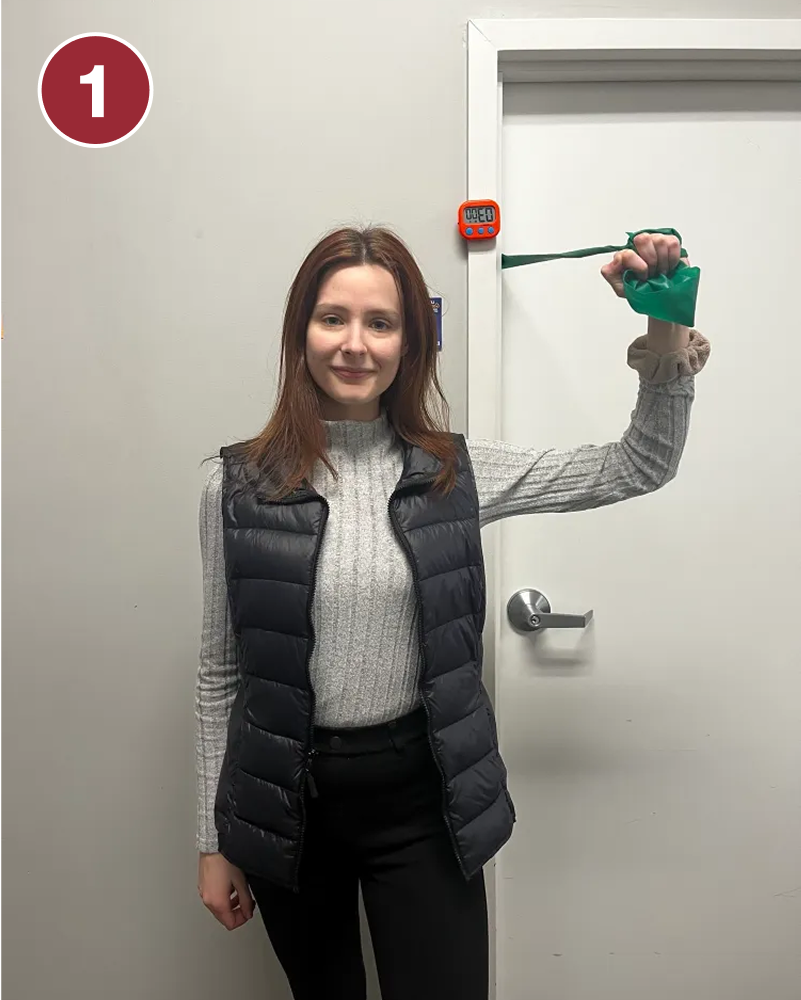
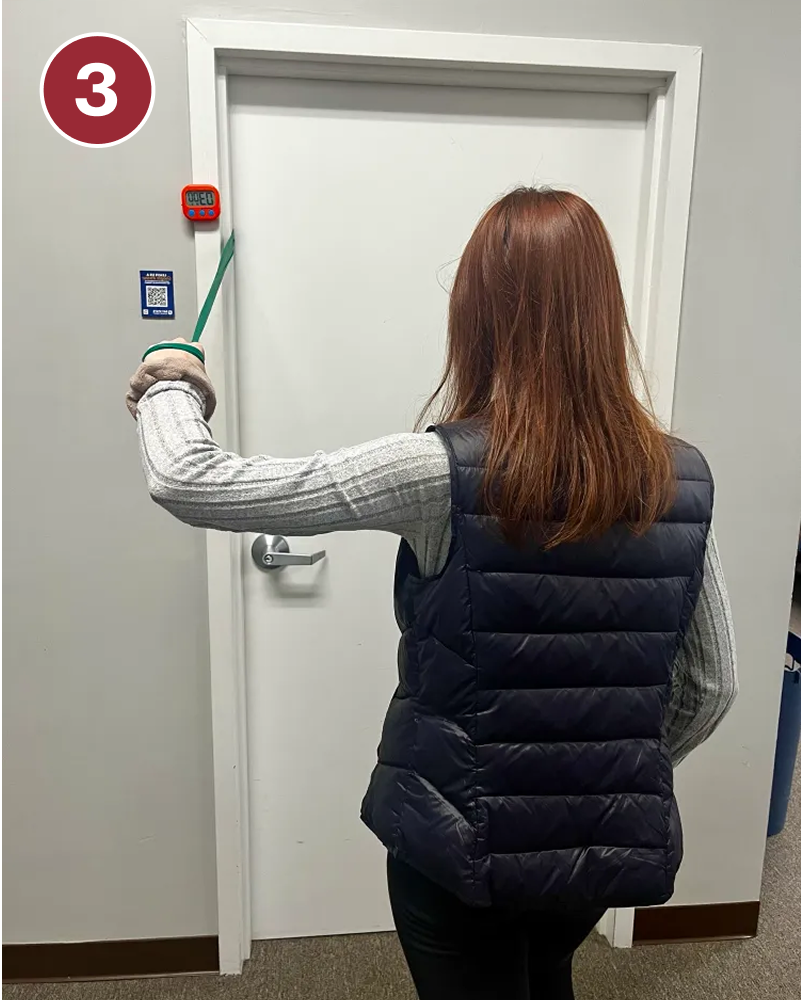
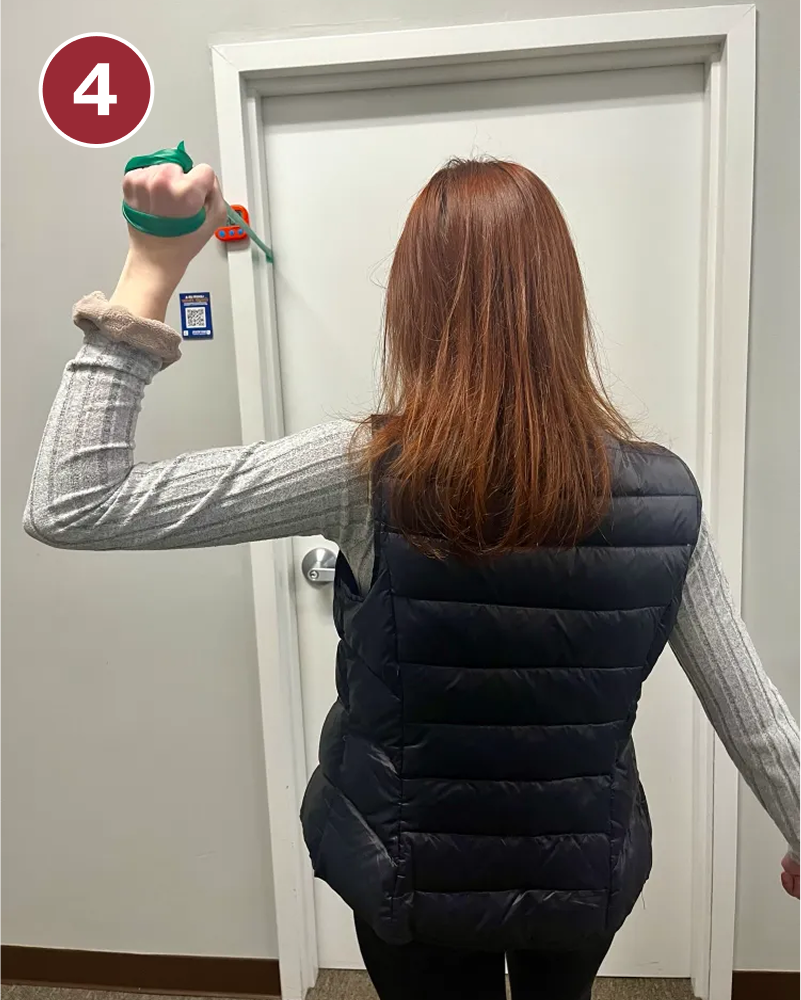

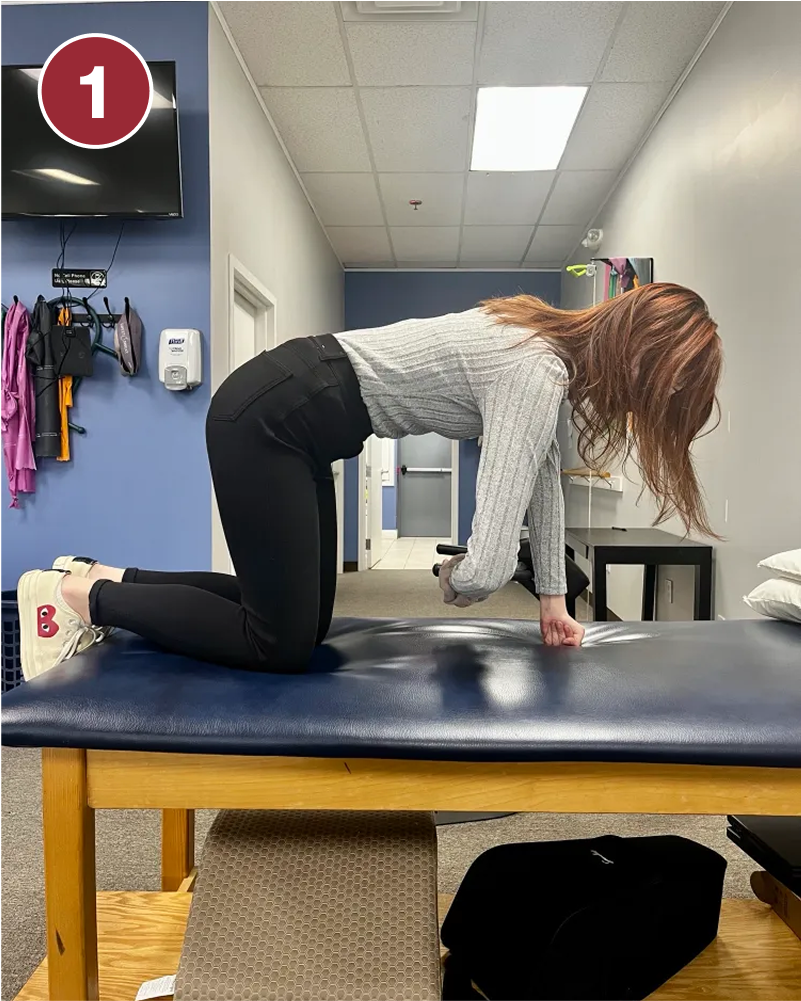
90° Internal/External Rotation
- Stand upright holding a resistance band anchored in a door slightly higher than shoulder-height
- Your arm should be straight out to your side with your shoulder and elbow both at 90-degree angles
- Maintaining good posture and shoulder blade control, rotate your arm upward from horizontal to vertical, keeping slight tension on the resistance band
- Your elbow should remain at a 90-degree angle and your upper arm shouldn’t move up or down
- Repeat for 2 sets of 15 in each direction before switching arms to perform on the opposite side
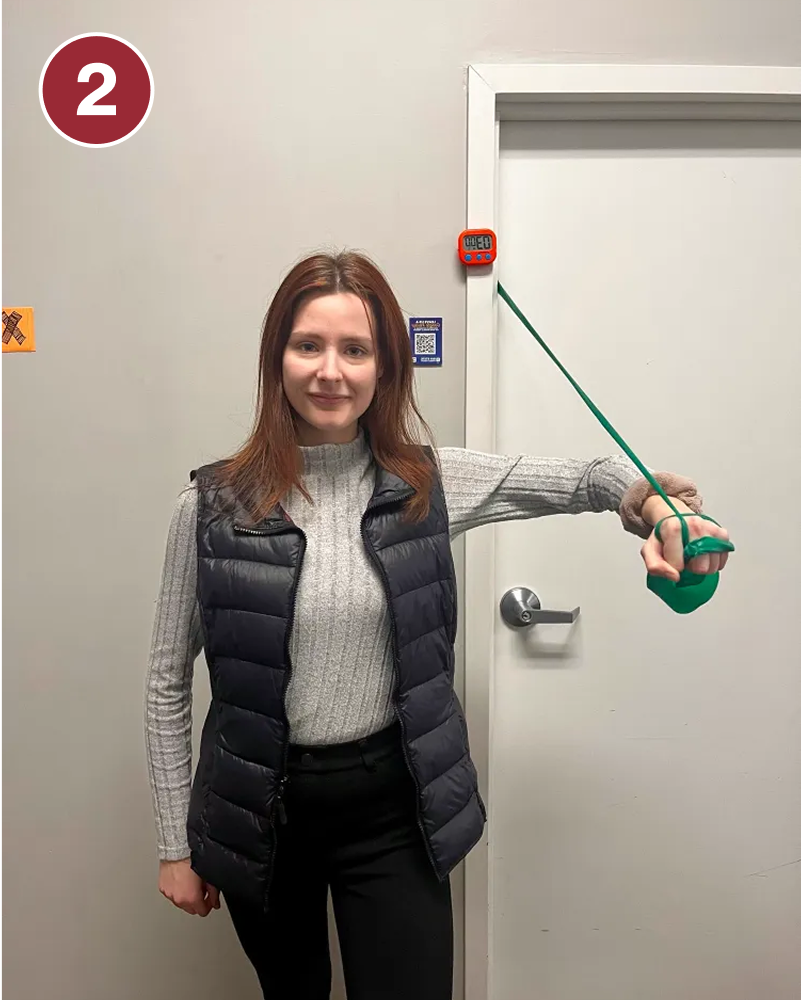
Thread The Needle
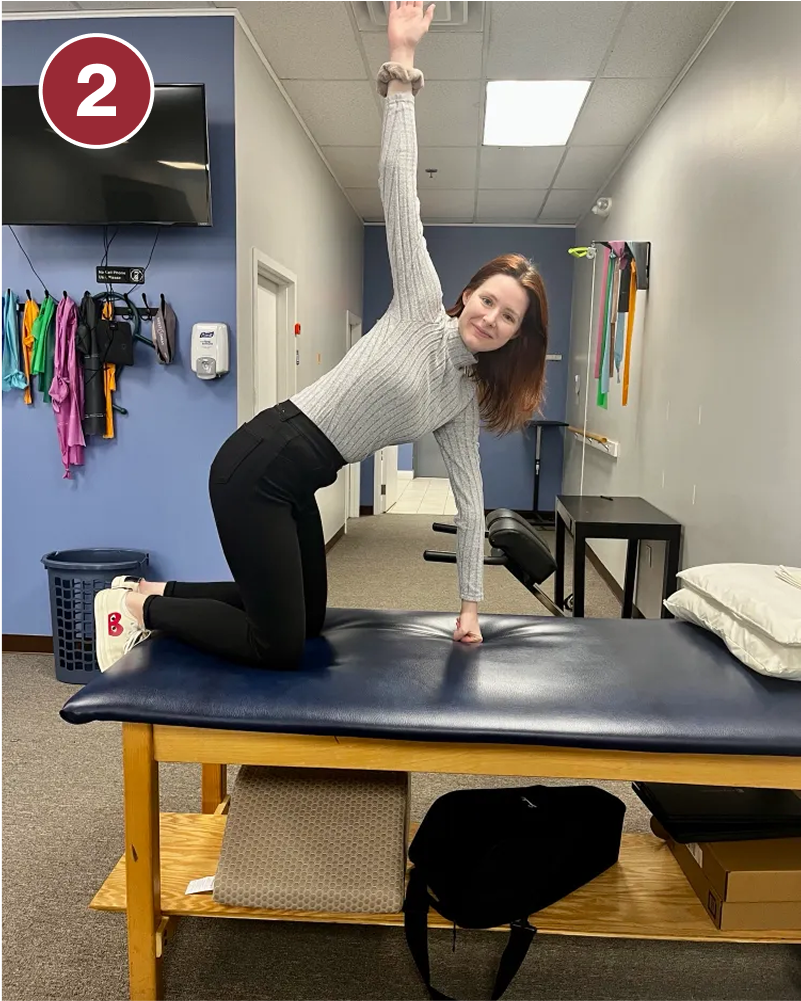
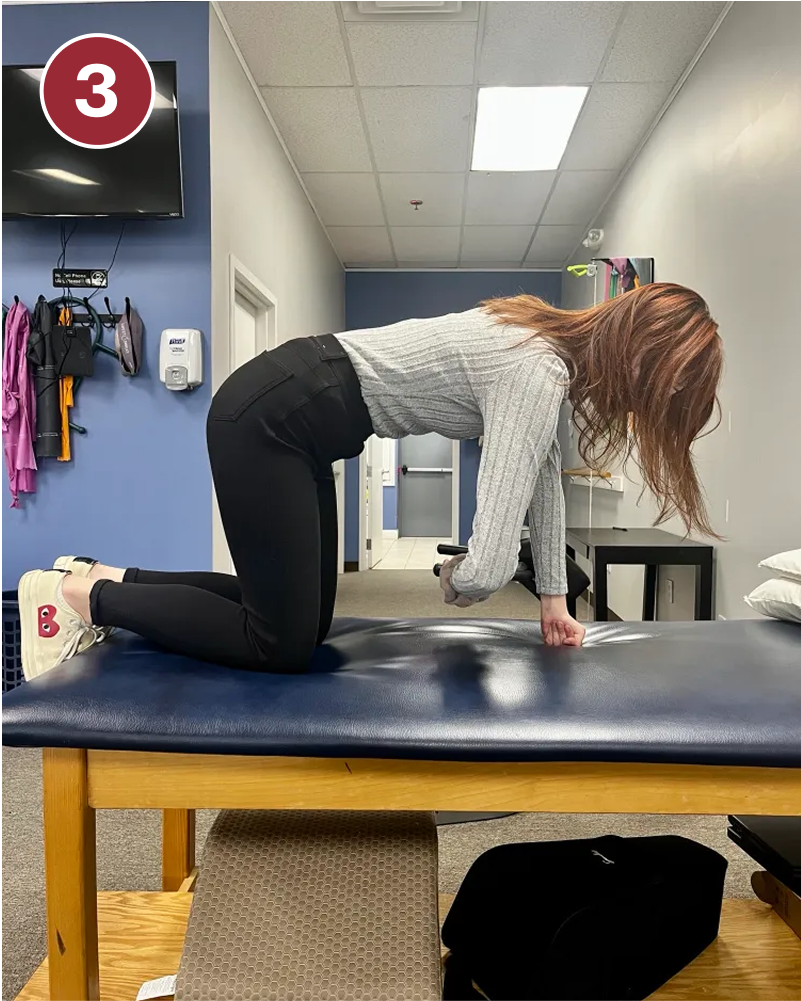
- Position yourself on the floor on your hands and knees
- Reach one hand under and across your body, allowing your head and shoulders to follow
- Move your hand back across your body and reach up toward the sky, making sure your head and trunk follow the rotation
- Ensure your eyes are following the movement of your hand
- Repeat for 2 sets of 15 in each direction before switching arms to perform on the opposite side
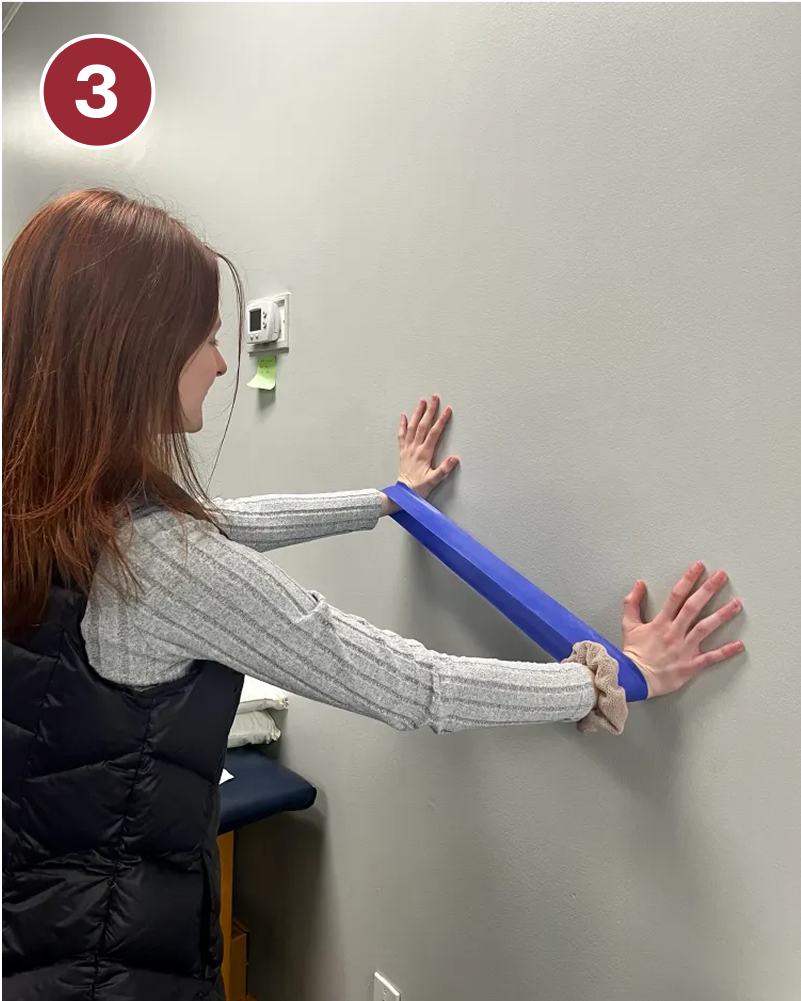
Scapular Clocks
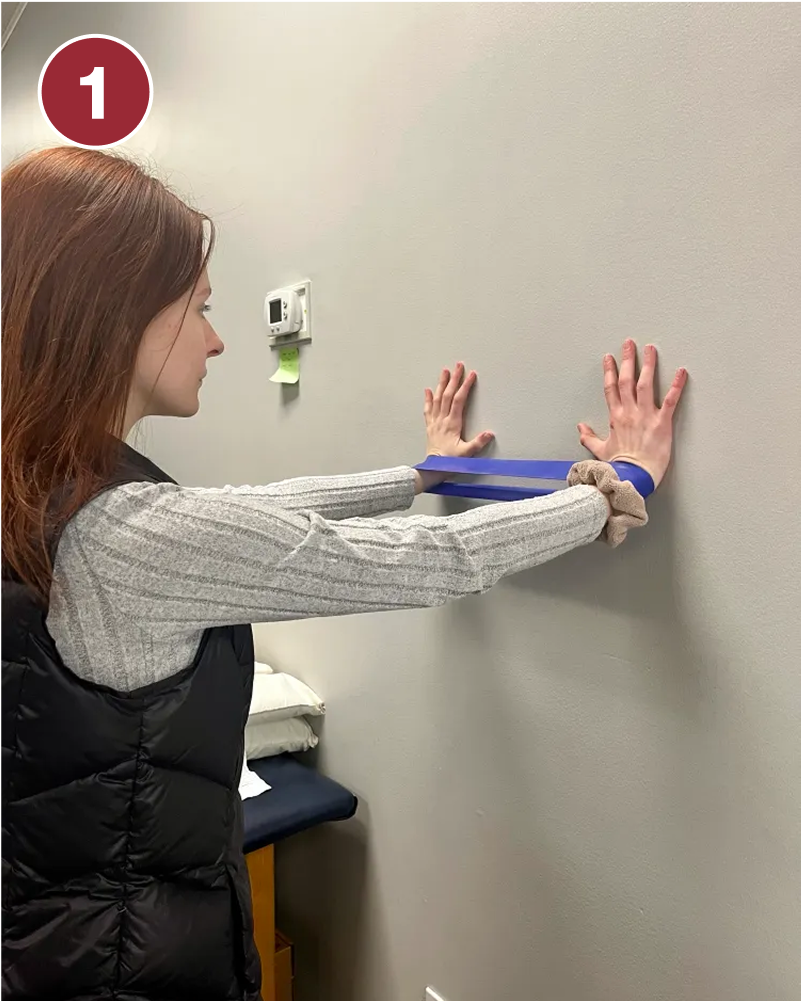
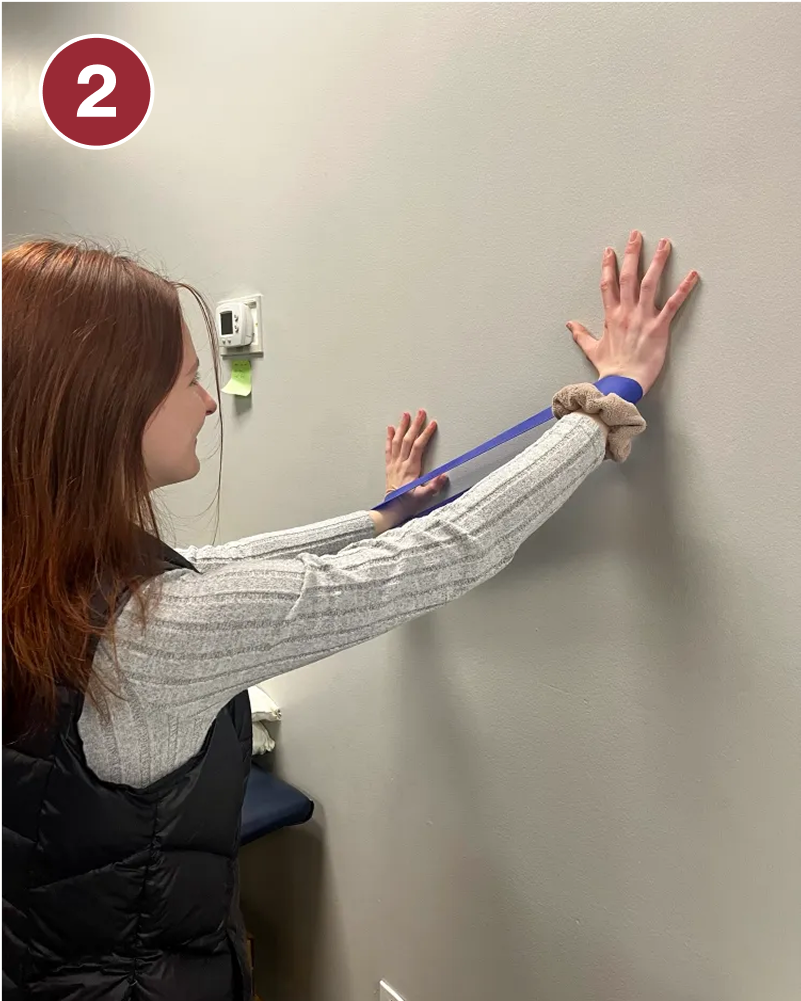
- Stand up straight facing a wall with a resistance band around both hands
- Place the palms of your hands on the wall at about shoulder-height
- Hands should be shoulder-width apart with slight tension on the band
- Keep one hand in place throughout as you move the other hand up and out diagonally to a 1 o’clock position, pausing before returning to the starting position
- Repeat to all positions of 2, 3, 4 and 5 o’clock
- Reverse hand position and repeat movements with opposite side from 7 to 12 o’clock
- Your palms should remain on the wall throughout the movements with your abdominals engaged to protect your core
- Repeat the series for 2 sets
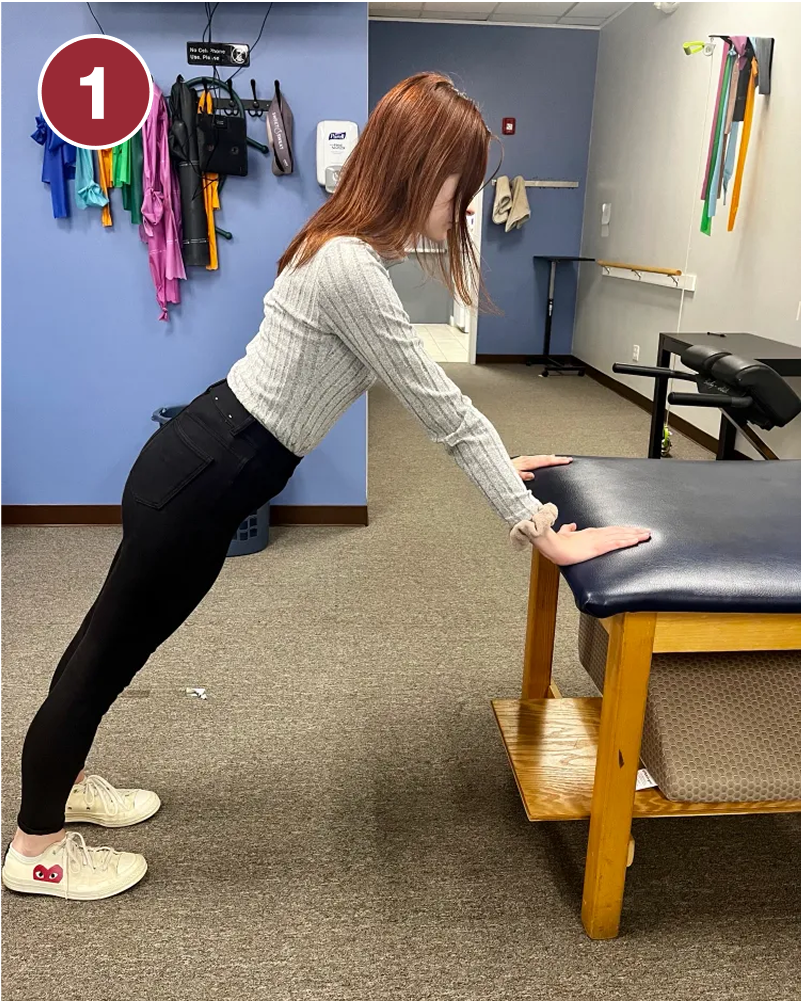
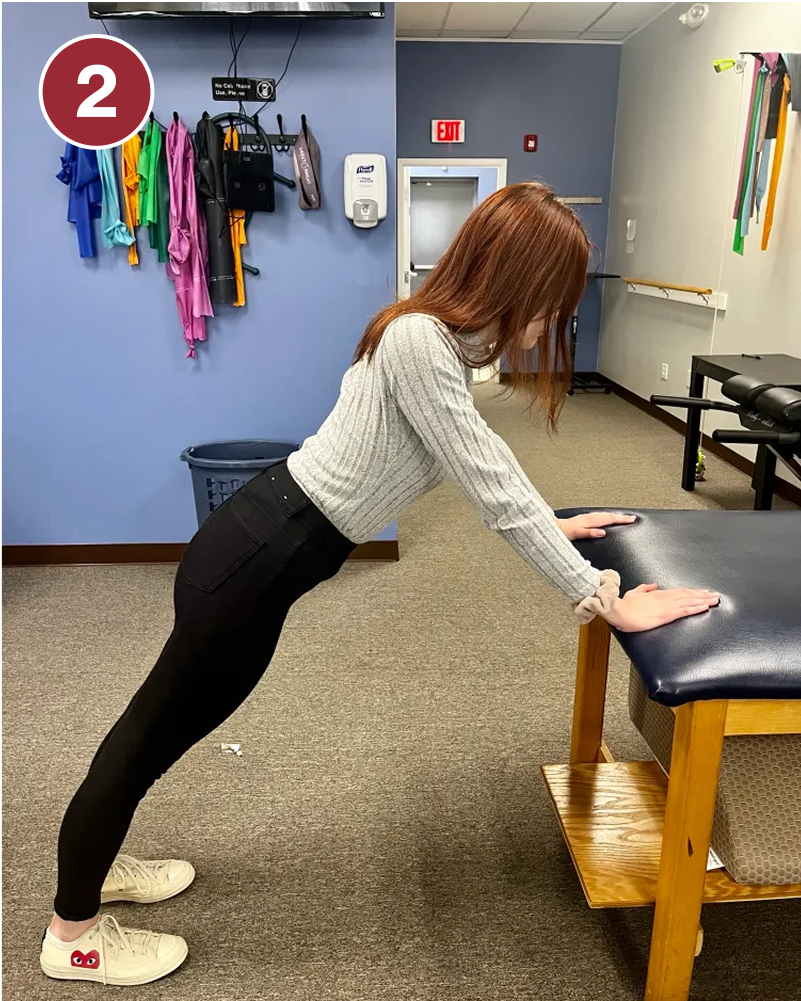
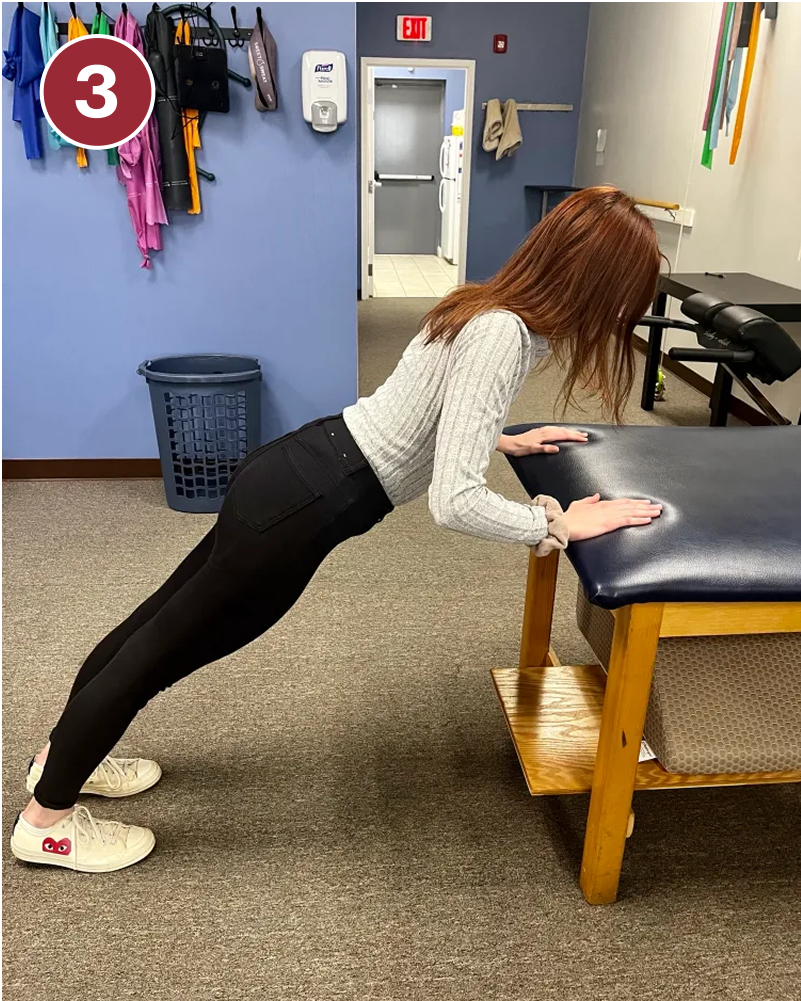
Scap Push Ups
- Leaning on a countertop or edge of a sturdy couch, position your body with your arms straight and your abdominals engaged
- As your arms remain straight, allow your shoulder blades to pinch together
- With shoulder blades pinched, bend at the elbows and slowly lower your body as you perform the lowering portion of a push up
- Once your elbows reach 90 degrees, return to the starting position by pushing through the heels of your hands to straighten your elbows
- Continue to engage the pinch between your shoulder blades during this motion
- Repeat for 2 sets of 15
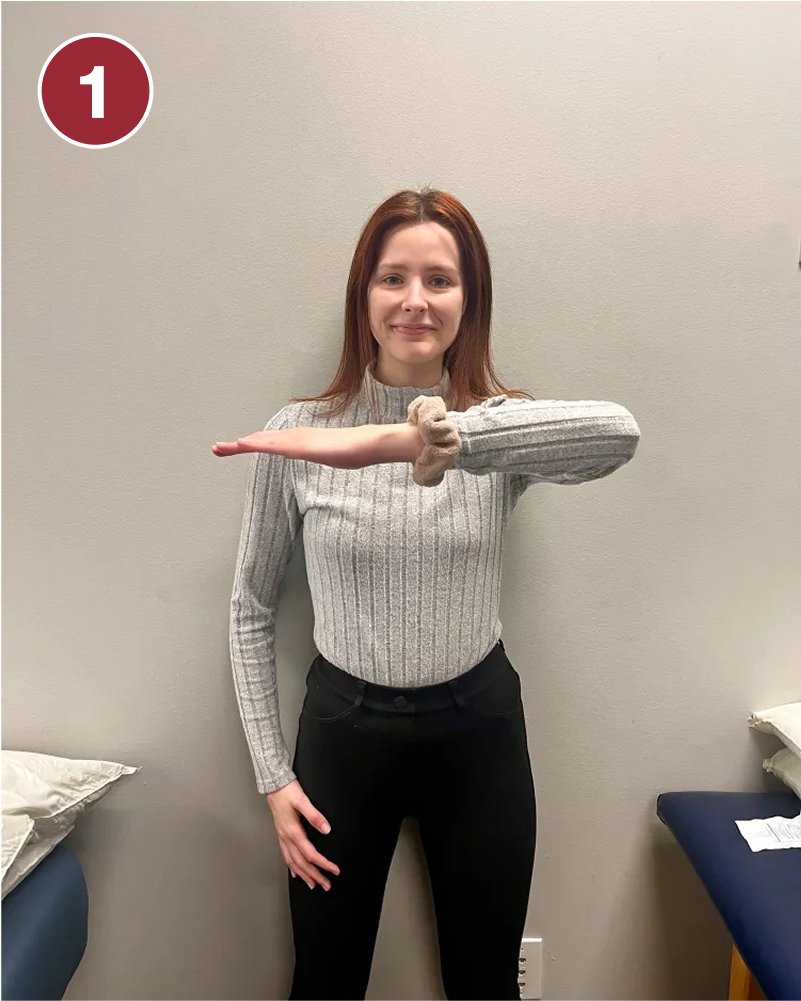

Posterior Cuff Stretch
- Lift one arm up and in front of your body with your elbow flexed at 90 degrees
- Place the opposite hand on the outside of your elbow and gently hug your arm across your body
- Hug to the point of a gentle stretch, but not to the point of pain
- Hold for 10 seconds and repeat 10 times
- Switch sides and perform on the opposite side of the body