



Support Your Neck Through the Busiest Time of Year
Your neck works for you all day. It helps you scan the road while driving, follow a conversation across the table, focus on a computer, exercise, read, and settle into sleep. Most of the time, you probably do not think about how much it does until movement begins to feel different.
Chiropractic care does not have to begin only after neck pain interrupts your life. It can also be part of a proactive approach to maintaining joint motion, supporting healthy movement habits, and reducing the effects of the positions and routines you repeat every day.
As the holiday season approaches, that matters. More travel, screen time, shopping, lifting, and changes in sleep can place new demands on your neck and upper back. Paying attention to how your body is moving now can help you enter the busiest part of the year feeling prepared rather than already worn down.
Your Daily Routine Shapes How You Move
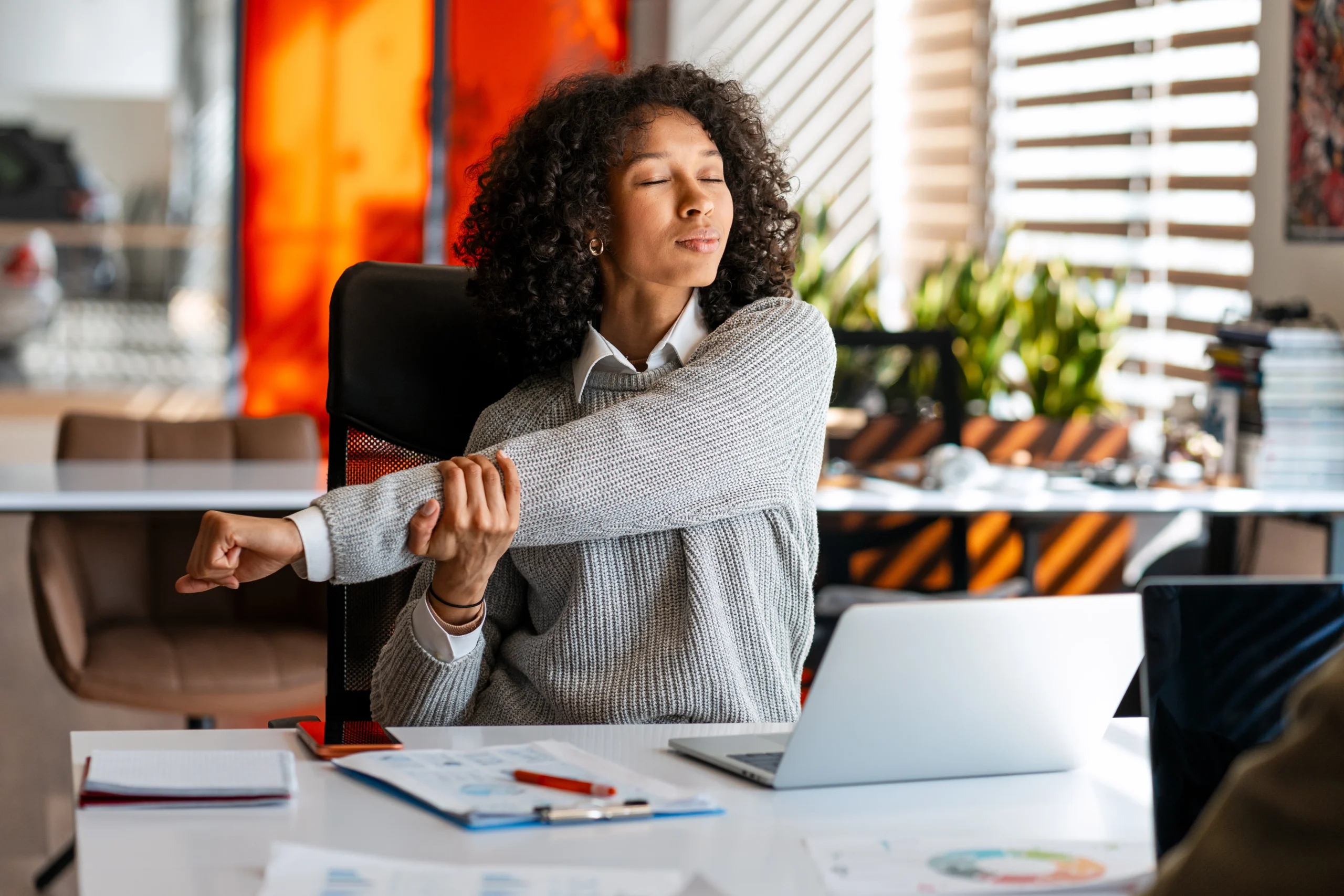
The body adapts to what it does most often. If you spend hours looking toward one computer screen, hold a phone below eye level, carry a bag on the same shoulder, or sleep with your head turned in one direction, certain joints and muscles may be asked to do more work than others.
Stress can also influence the way you carry yourself. You may raise your shoulders, tighten your jaw, or take fewer movement breaks when the day feels busy. Over time, these habits can affect how freely your neck and upper back move.
This does not mean every posture or habit is harmful. The goal is not to move perfectly. It is to give your body variety, support, and enough opportunities to change position throughout the day.

Look Beyond Pain for Neck Health
Neck pain is only one symptom to pay attention to. Changes in movement and function can appear before discomfort becomes the main concern.
You may notice:
- One direction feels tighter than the other when you turn your head
- Your shoulders feel tired after computer work or driving
- You rely on extra pillows to get comfortable at night
- You turn your whole body to look behind you
- Your neck feels less flexible after sitting for an extended time
- You are stretching more often but the same tension keeps returning
These small changes provide useful information. They can be an opportunity to adjust daily habits, restore comfortable motion, and keep minor restrictions from becoming part of your normal routine.
What a Wellness-Focused Chiropractic Visit Looks Like
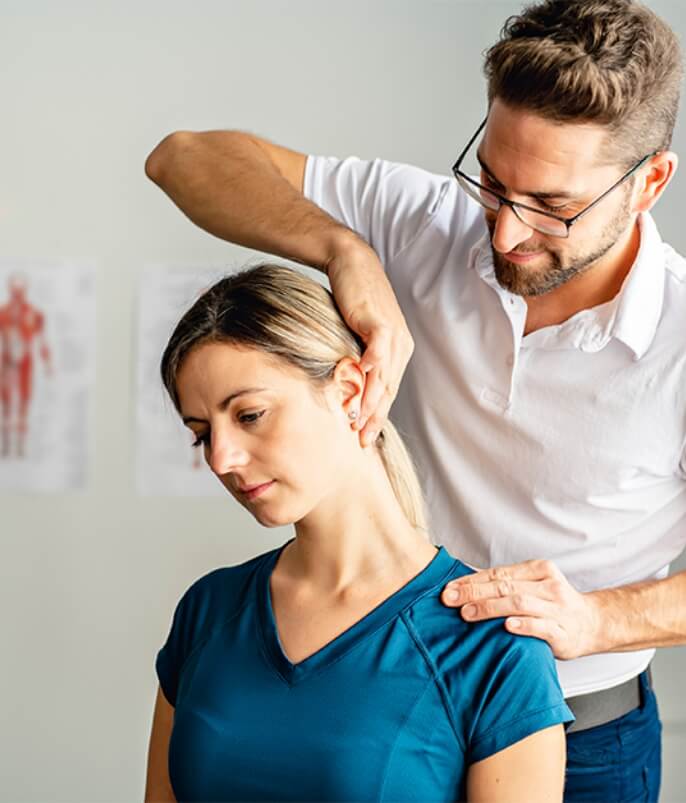
A chiropractic visit is not limited to identifying the spot that hurts. Your chiropractor will look at how your neck, upper back, shoulders, and surrounding muscles work together. The evaluation may include posture, range of motion, joint function, muscle tension, strength, and neurological signs when appropriate.
You will also talk about the demands placed on your body. Your work environment, exercise routine, sleep, travel, stress, and previous injuries all help provide context for how you are moving today.
This allows your chiropractor to determine whether care is appropriate and how it can support your goals. If another type of medical evaluation is needed, your chiropractor can help guide you toward the right provider.

Support Healthy Motion Over Time
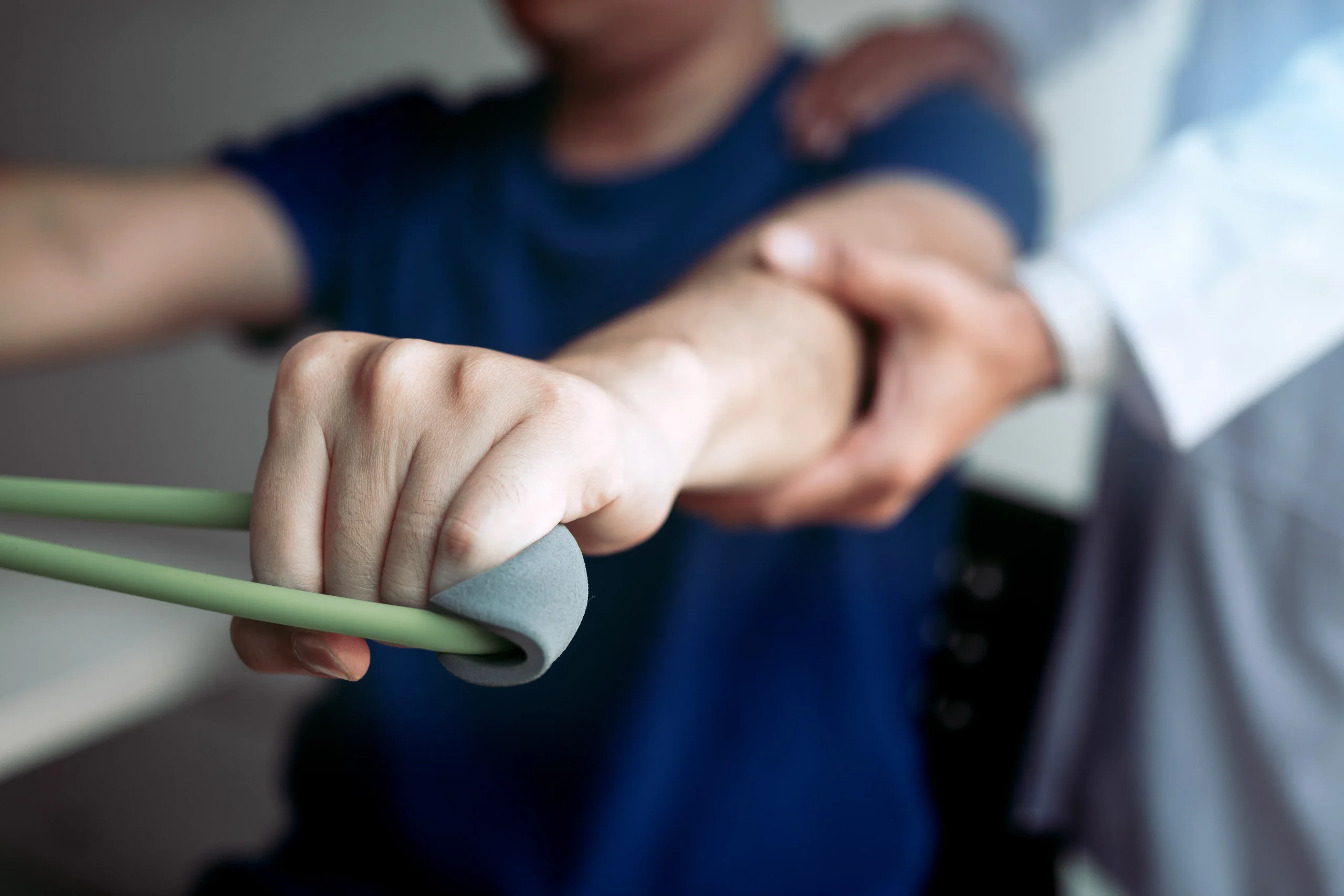
Chiropractic care may include spinal adjustments or mobilization to support joint motion. Depending on your needs, your chiropractor may also use soft-tissue techniques and provide stretching, strengthening, postural guidance, or recommendations for your work and home environments.
The care you receive in the office is only one part of the process. Your chiropractor can help you identify realistic ways to move more throughout the day, use technology more comfortably, prepare for travel, and maintain the progress you make.
This is the difference between waiting for a problem to take over and taking an active role in your well-being. The goal is to help your body continue doing what you ask of it, not simply respond once an activity becomes difficult.
Make Your Health Part of Your Year-End Plans
The final weeks of the year fill up quickly. Travel, family gatherings, work deadlines, shopping, and celebrations can push routine health and wellness care aside.
You have already paid for your health insurance benefits, so do not let them go unused. Many plans reset at the end of the year, which means benefits available today may expire when the new year begins.
Starting chiropractic care now gives you time to improve joint motion, build healthier movement habits, and prepare your body for the demands of the season. You do not need to wait for significant pain to make your health a priority.
Schedule an appointment with MCR Chiropractic and take a proactive step toward regaining and maintaining optimal health through the holidays and into the new year.


Build Better Screen Habits Before Tension Builds
Screens are part of nearly every day. We use them to work, connect, shop, plan, and relax. The goal is not to avoid technology or wait until your neck feels sore. It is to build habits that support your body while you use it.
Screen height, sitting position, time spent without moving, stress, vision, and even where you use a device can all affect how your neck and upper back function.
During the holiday season, screens become part of even more daily tasks. You may shop for gifts from the couch, coordinate plans through group messages, follow recipes on a tablet, or spend extra time video calling family. None of those activities is a problem by itself. Discomfort often develops when your body stays in the same position long after it wants to move.


What People Mean by “Tech Neck”
Tech neck is not a formal diagnosis. It is a common phrase for the stiffness, soreness, or fatigue that can occur after extended use of a phone, computer, or tablet.
When your head stays forward or tilted downward, the muscles of your neck and upper back work to support that position. Over time, you may notice tight shoulders, reduced neck movement, soreness near the base of the skull, or a headache.
The answer is not to hold one rigid posture all day. Even a position that begins comfortably can become irritating if you never leave it. Your neck benefits from variety, support, and regular movement.
Set Up the Screen for the Task
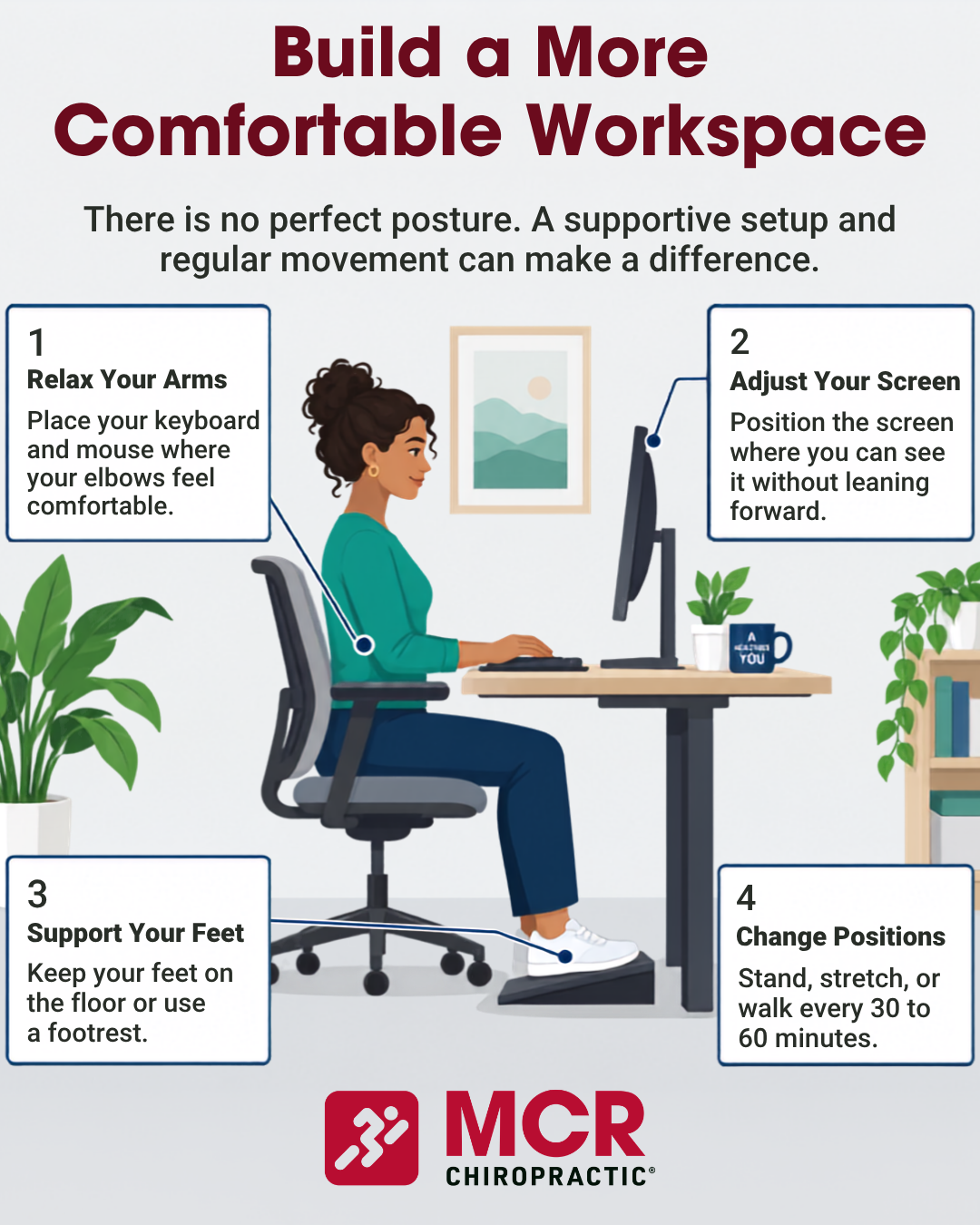
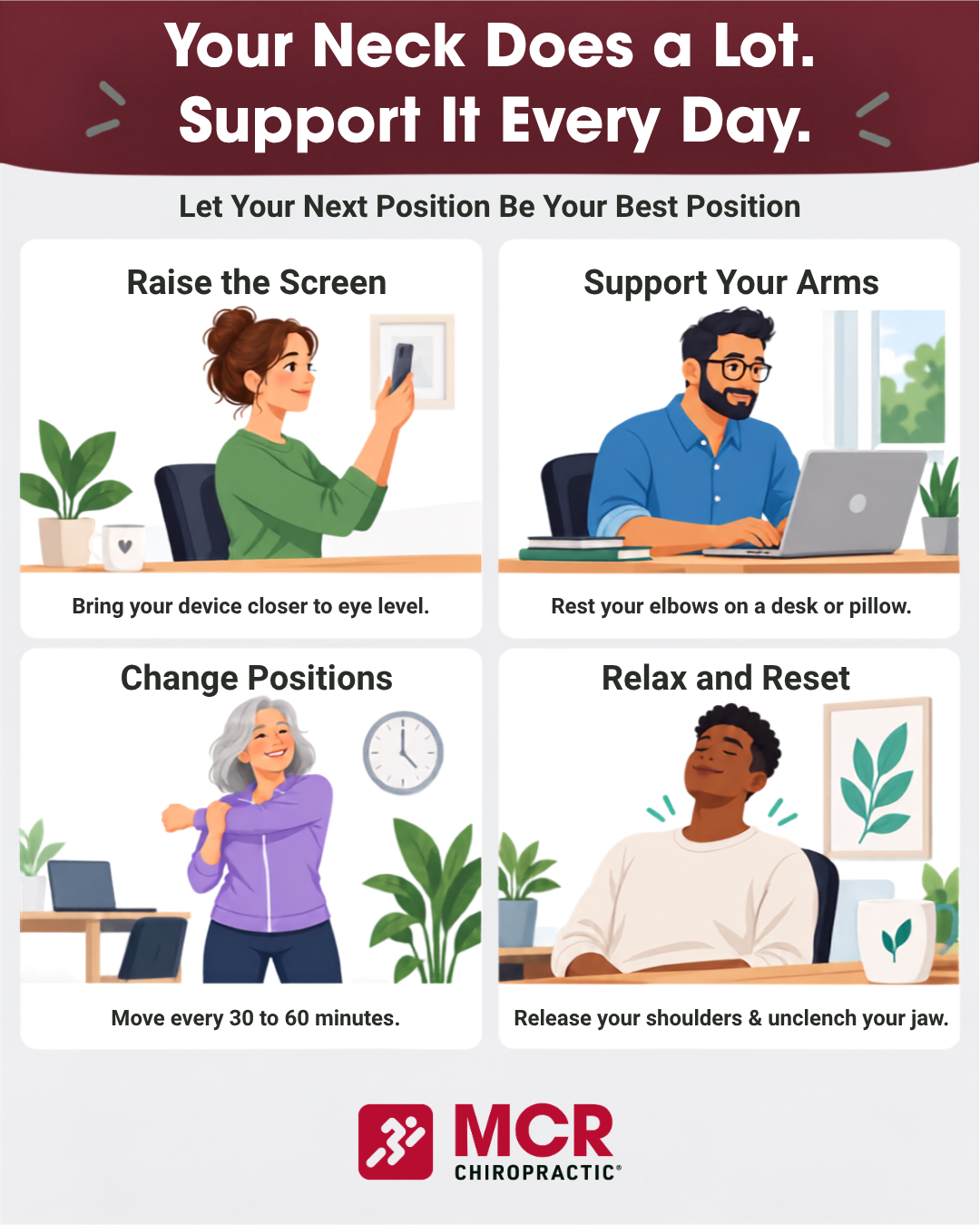
For short phone use, bring the device closer to eye level and support your arms when possible. For longer tasks, such as online shopping or completing work, move to a table or desk rather than balancing a device on your lap.
Position a computer monitor so you can read without leaning toward it. Increase the text size if needed. If you use two screens, place the one you use most directly in front of you so your neck is not turned for long periods.
Your setup does not need to look perfect. It needs to help you work without repeatedly reaching, twisting, or straining to see.
Let Your Next Position Be Your Best Position
Instead of trying to maintain one posture, create reminders to move. Change positions every 30 to 60 minutes. Stand while taking a phone call, walk after finishing an online order, or roll your shoulders while waiting for a meeting to begin.
Small movements count. Gently turning your head from side to side, reaching your arms overhead, or walking to another room can interrupt a long period of sitting.
Pay attention to what happens when you are relaxing too. Looking down at a tablet on your lap or lying on the couch with your head supported at an angle may feel fine at first. Use pillows or a firm surface to bring the screen into a more comfortable position, then move before stiffness sets in.
Stress Can Show Up in Your Neck
Technology is only part of the equation. Busy schedules, travel decisions, financial pressure, and changes in sleep can lead some people to tense their shoulders or clench their jaw without noticing.
Take a moment to check in with your body. Relax your shoulders, unclench your teeth, and take a few slow breaths. A short walk or stretch can give both your body and mind a useful reset.
If tightness continues returning despite changes to your routine, a chiropractor can assess whether joint restrictions, muscle tension, or other physical factors are contributing.


Create Habits Your Neck Can Live With
Screens are not going away, and they do not need to. A supportive setup, regular changes in position, and attention to how your body moves can make technology easier to manage over time.
You do not have to wait for stiffness or headaches to become part of your routine. Schedule a wellness evaluation with MCR Chiropractic. We can help you understand how your daily habits affect your neck and develop a plan that supports healthy movement.


Give Your Body a Break While Traveling
Holiday travel forces your body to do something it rarely enjoys: stay still for hours. Whether you are driving through traffic, sitting in an airport, or watching the scenery from a train, prolonged sitting can leave your neck tight, your shoulders raised, and your hips stiff.
The strain often builds gradually. You lean toward the steering wheel, look down at your phone while waiting, or fall asleep with your head resting to one side. Add luggage, unfamiliar seats, and the stress of staying on schedule, and it is easy to arrive feeling less comfortable than when you left.
There is no travel posture that will feel good forever. Changing positions, walking when possible, and using simple stretches can help your joints and muscles recover from extended sitting.
Prepare Your Body for the Trip
Before leaving, place frequently used items where you can reach them without awkward twisting. Bring a small pillow or rolled towel if extra support helps you sit comfortably. Wear clothing that allows you to move and plan safe breaks before stiffness becomes distracting.
Some of the exercises below can be performed while seated as a passenger. Standing stretches should wait until you are at a rest stop, airport terminal, train station, or your destination. Never perform exercises while driving.

Jackie Hansen, DC
This month’s travel stretches are presented by Dr. Jackie Hansen, a chiropractor at our MCR Chiropractic clinic in Pembroke, Massachusetts.
A Massachusetts native raised on Cape Cod, Dr. Jackie earned her Bachelor of Health Science degree from the University of Hartford and her Doctor of Chiropractic degree from Northeast College of Health Sciences.
Her path to chiropractic began through her own experience as a competitive gymnast. Chiropractic care helped her recover from injuries and return to the sport she loved. That experience inspired her to help other people return to the activities that matter to them.
“Holiday travel often means spending more time sitting and less time moving. Taking a few minutes to change positions, stretch, and walk when it is safe can help you arrive feeling more comfortable and ready to enjoy time with the people you traveled to see.”
Dr. Jackie has additional training in sports and human performance, custom stabilizing orthotics, nutrition, and instrument-assisted soft-tissue therapy. She uses education, individualized care, and a range of hands-on techniques to support patients from many different backgrounds.

Chin Tucks
What is it?
Relieve neck tension and activate/ strengthen anterior neck muscles
How to do it!
- Start with a neutral cervical spine
- Keep your head and shoulders steady, and tuck your chin in toward your neck
- Return to a neutral spine position, then repeat for 10 repetitions


Scapular Squeezes
What is it?
Relieve upper back pain/ tension, strengthen muscles between the shoulder blades, and improve posture
How to do it!
- Sit up tall with your hands resting in your lap and your head back
- Bring the shoulders back and down as if you were squeezing a pencil between your shoulder blades
- Return to a neutral posture, then repeat for 10 repetitions


Hamstring Stretch When Traveling
What is it?
Improve hip/knee/leg flexibility posture and reduce leg tension
How to do it!
- Stand beside your vehicle and place your foot on a tire or bumper
- Keep your back straight and slowly lean forward, bending only at the hips until you feel a good stretch in the back of the leg
- Hold for 15-30 seconds, then switch legs and repeat


Standing QL (Quadratus Lumborum) Stretch
What is it?
Relieve lower back discomfort and improve lumbar stability
How to do it!
- Stand with one foot in front of the other and place one hand on your vehicle for balance if needed
- Raise your opposite arm and lean/ reach toward the opposite side
- Hold for 15-30 seconds, then switch sides and repeat


Hip Flexor Lunge
What is it?
Reduce discomfort in the lower back/ hip/ groin region and improve posture
How to do it!
- Stand in a straddle position, one foot in front of the other
- Slowly lean forward onto the front foot and bend that knee, keeping your spine neutral and tall until you feel a stretch in the anterior hip region
- Hold for 15- 30 seconds, then switch sides and repeat
Make Movement Part of the Journey
A long trip does not need to set the tone for the rest of your visit. Change positions along the way, take safe movement breaks, and use these stretches before stiffness has a chance to settle in.
Chiropractic care can also be part of preparing for travel and supporting your body afterward. Schedule an evaluation with MCR Chiropractic to help maintain comfortable movement throughout the holiday season.